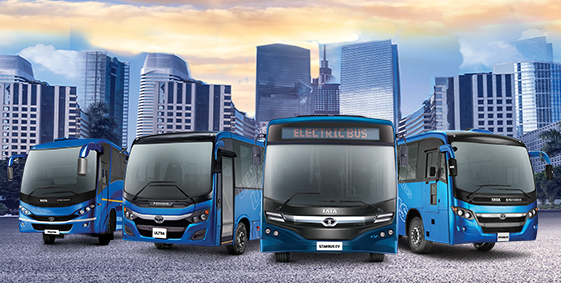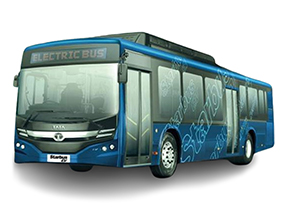
Tata Motors is redefining the electric bus ecosystem with bold, innovative business models that go beyond simply selling vehicles.
Tata Motors isn’t just selling E-buses anymore - it’s shaping the entire mobility ecosystem. With the formation of TML Smart City Mobility Solutions (TSCMSL), the company has rolled out a Gross Cost Contract (GCC) model: Tata owns, operates and maintains the e-bus fleets, taking responsibility for uptime, route management and fleet performance. This shift from the conventional sale model to service-based contracts exemplifies how Tata reimagines value creation in public mobility.
Targeting Diverse Markets with Tailored Models
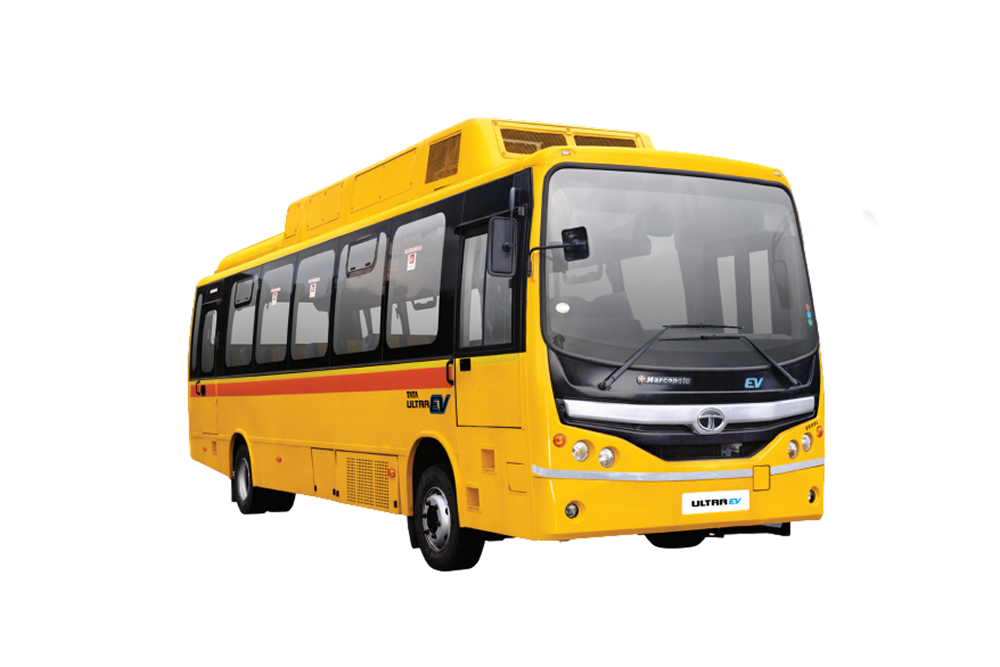
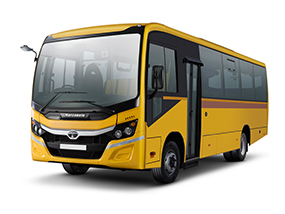
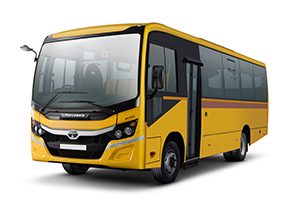
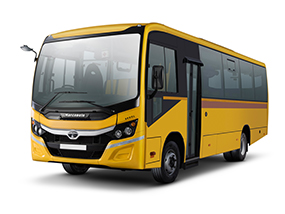
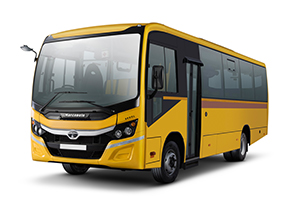
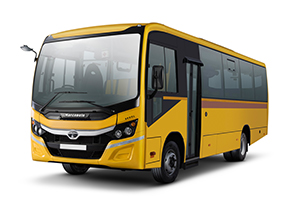
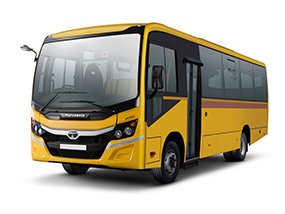
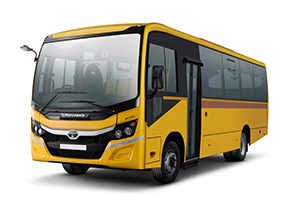
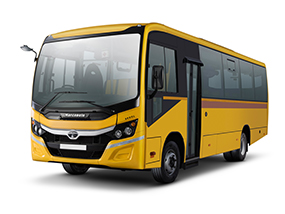
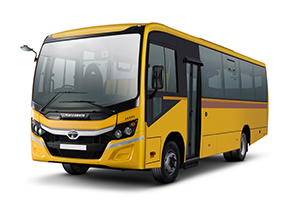
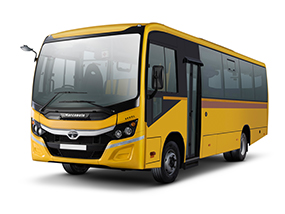
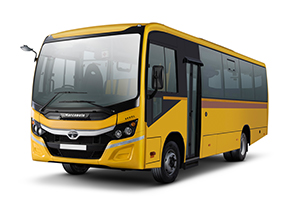
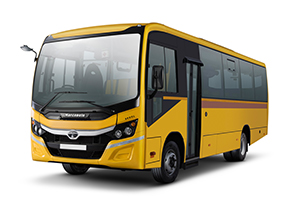
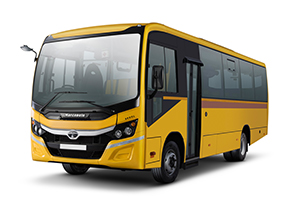
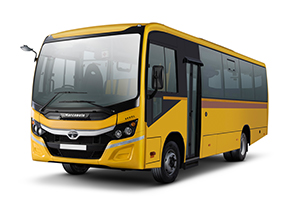
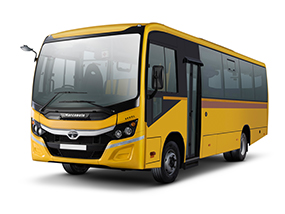
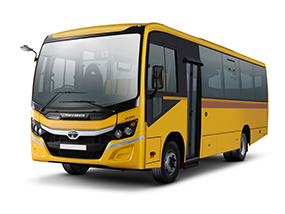
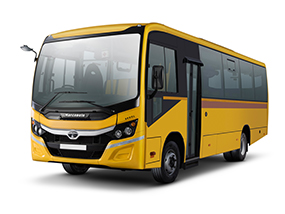
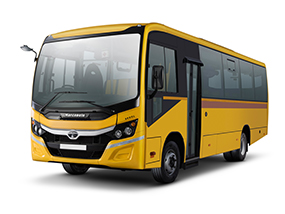
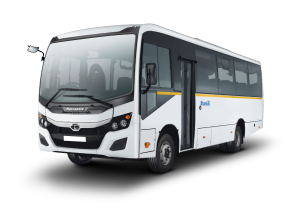
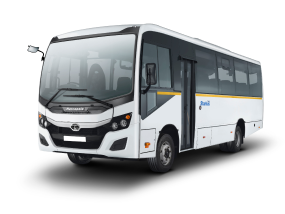
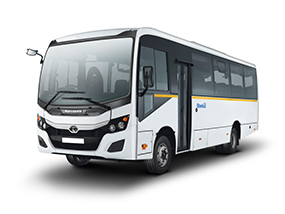
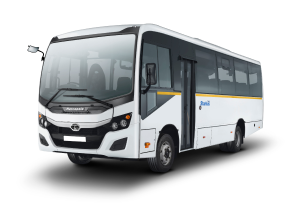
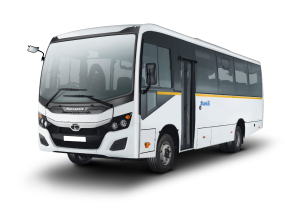
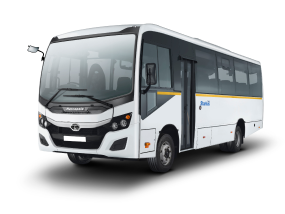
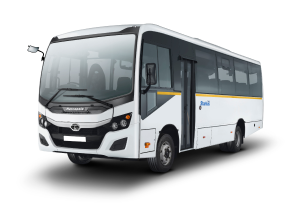
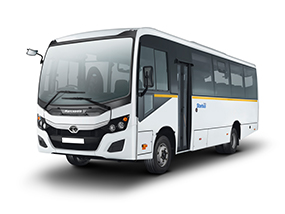
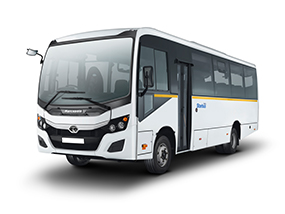
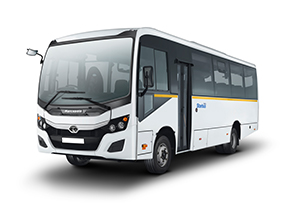
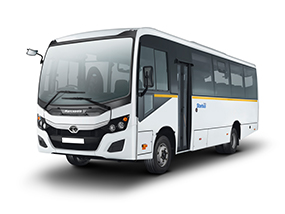
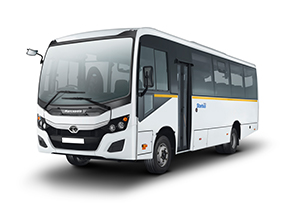
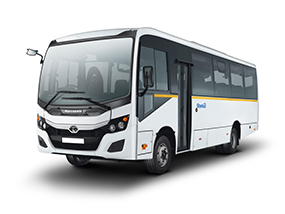
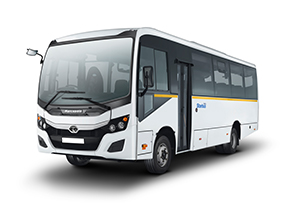
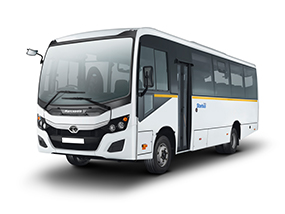
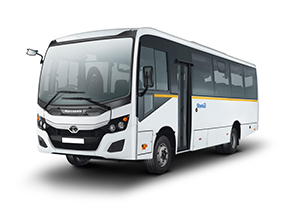
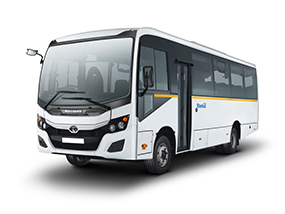
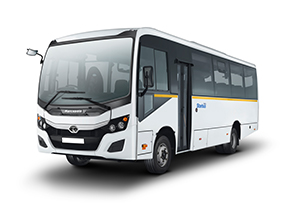
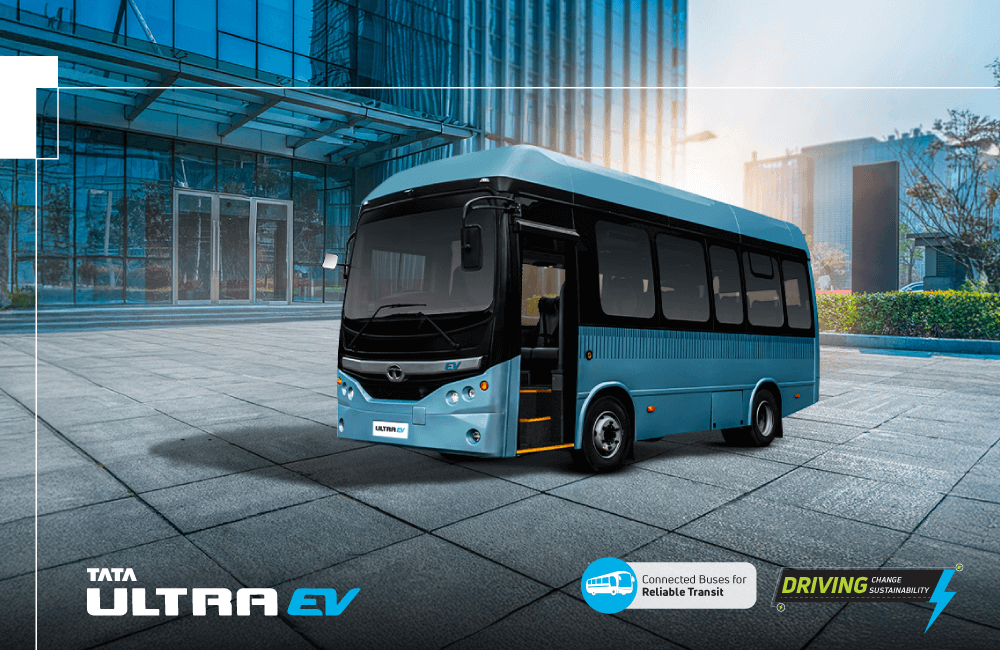
At Prawaas 4.0, Tata launched the Ultra EV 7M, a nimble 21-seater built for narrow urban streets, schools and corporate campuses - especially appealing to cost-conscious, smaller operators who couldn’t previously enter the EV space. This model creates a new entry point for greener transport across various sectors.
Value Across Multiple Segments and Utility Cycles
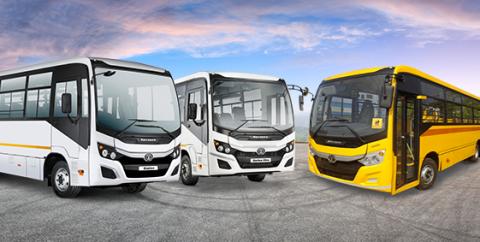

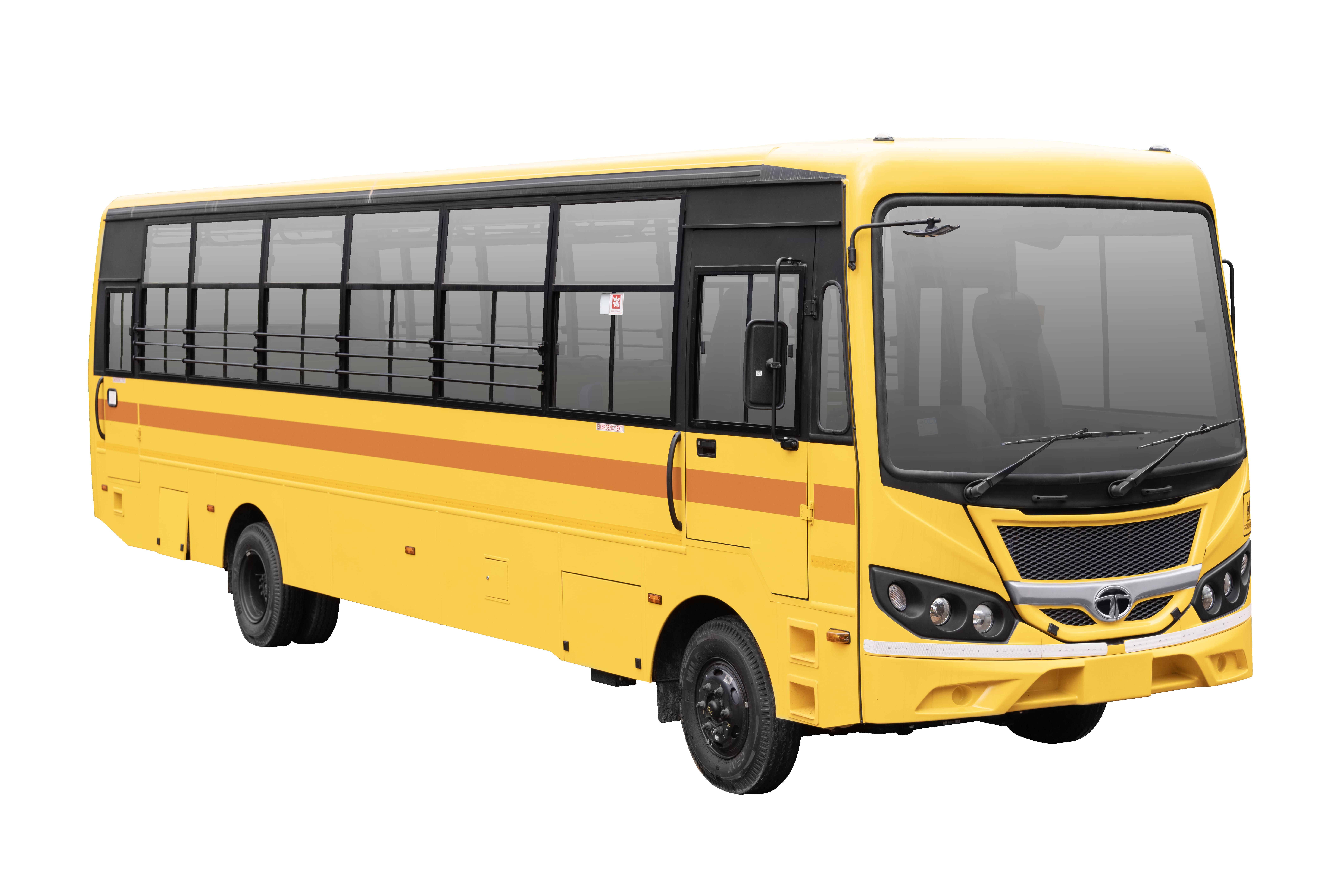
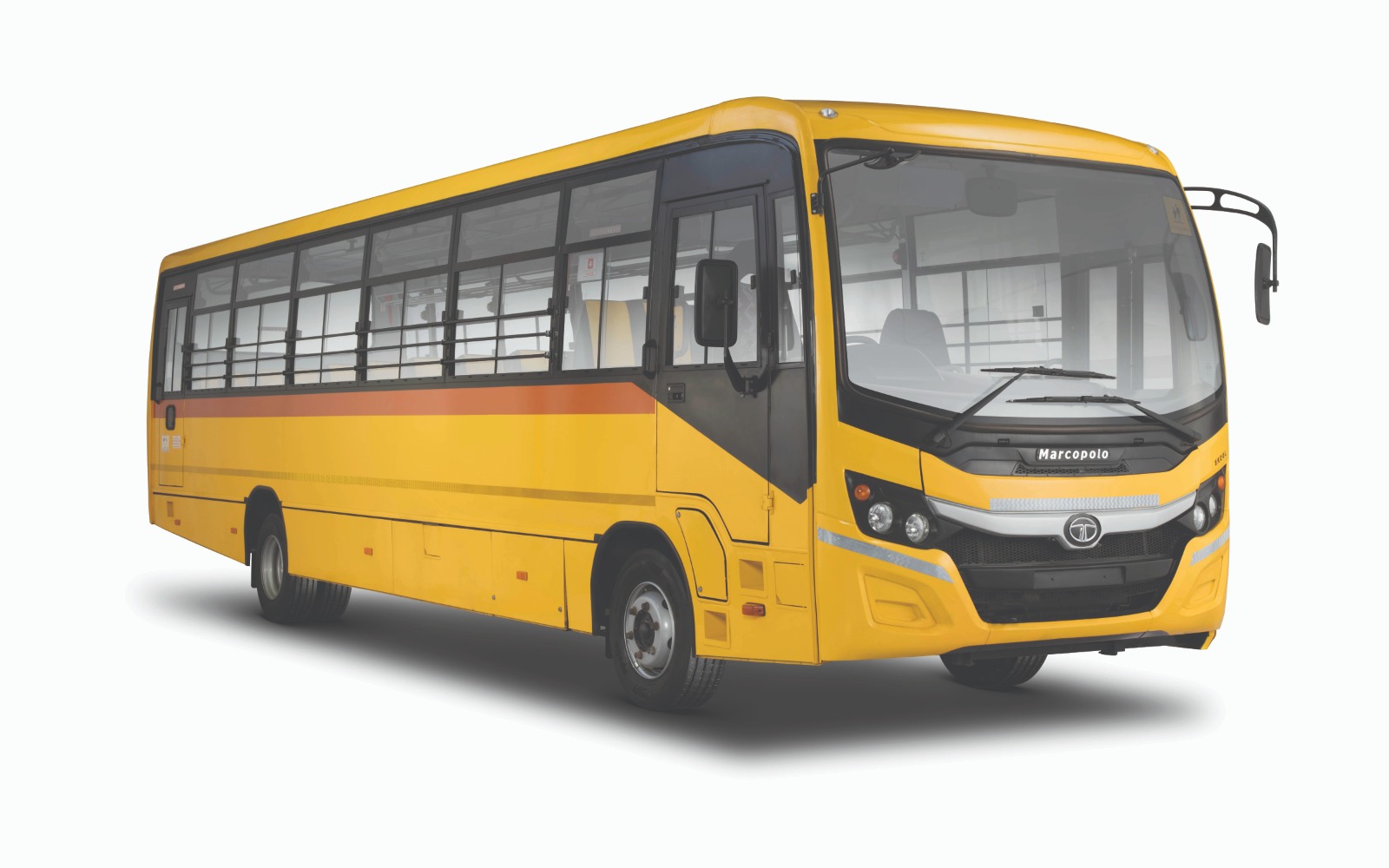
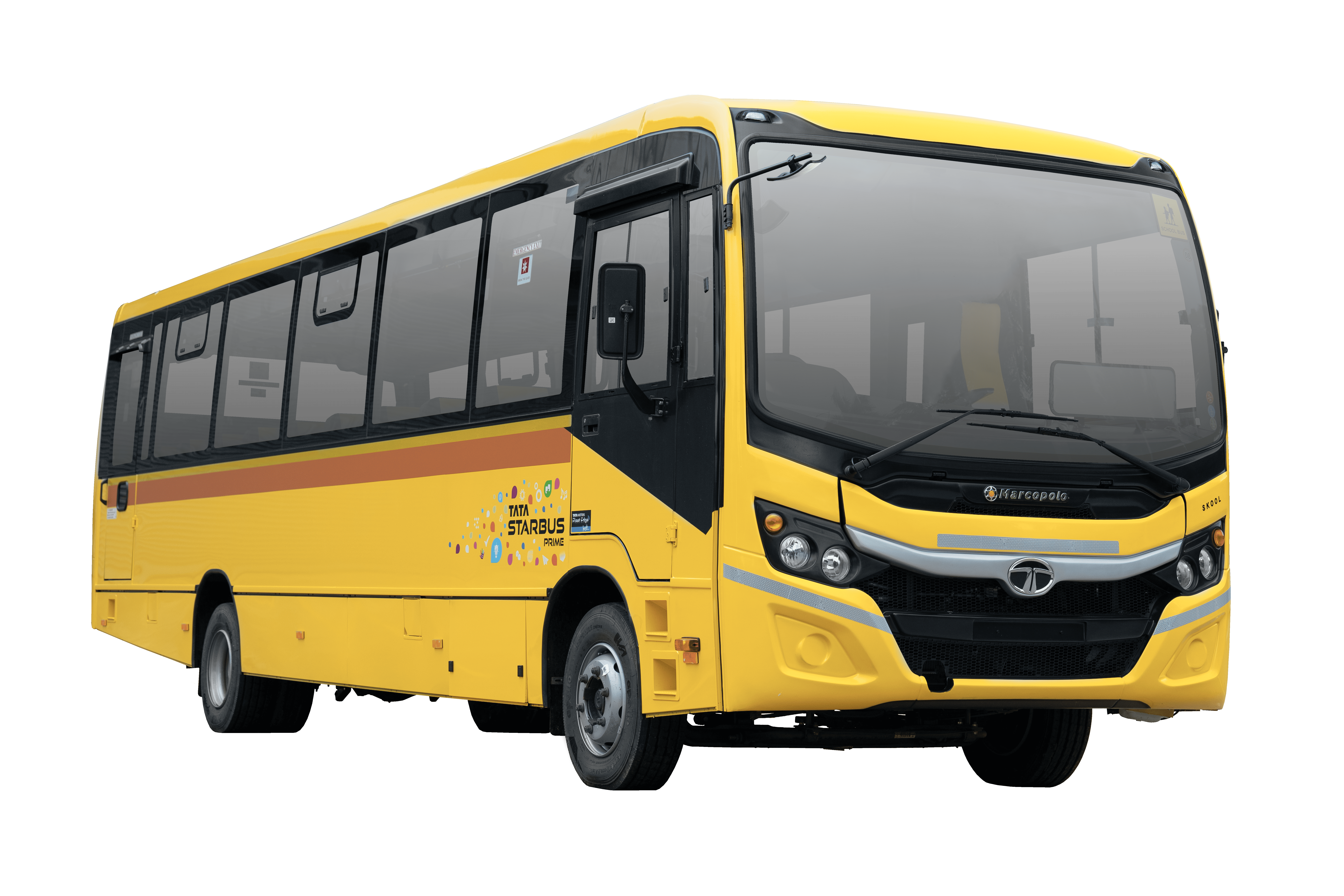
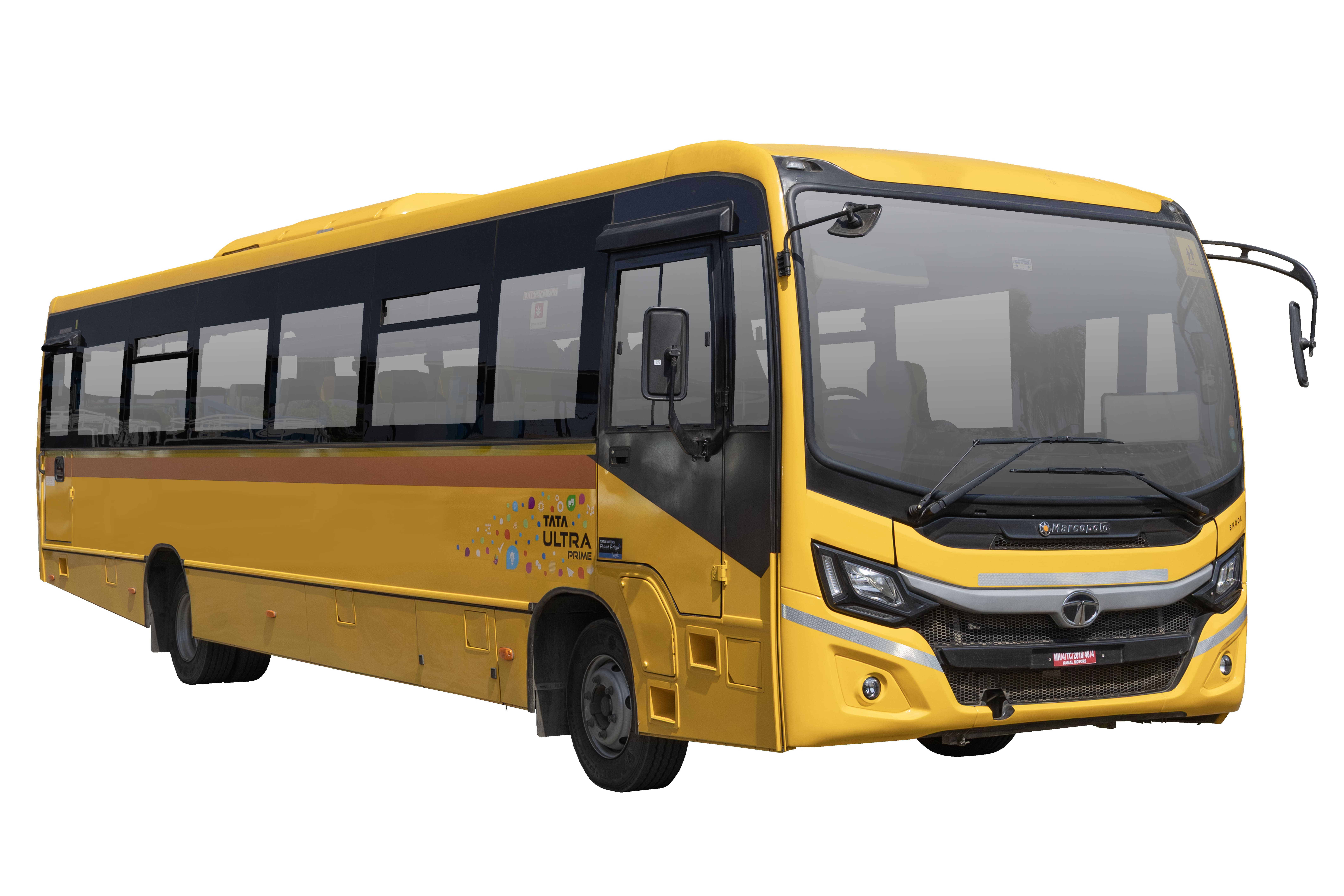
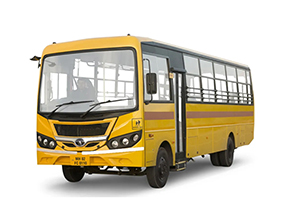
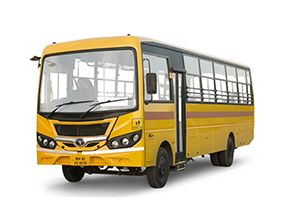
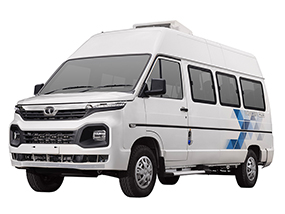
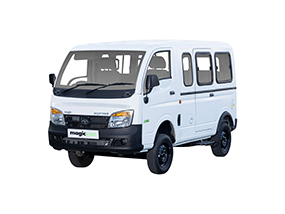
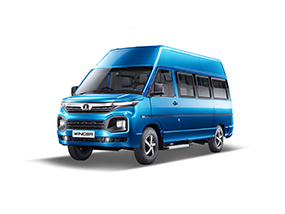
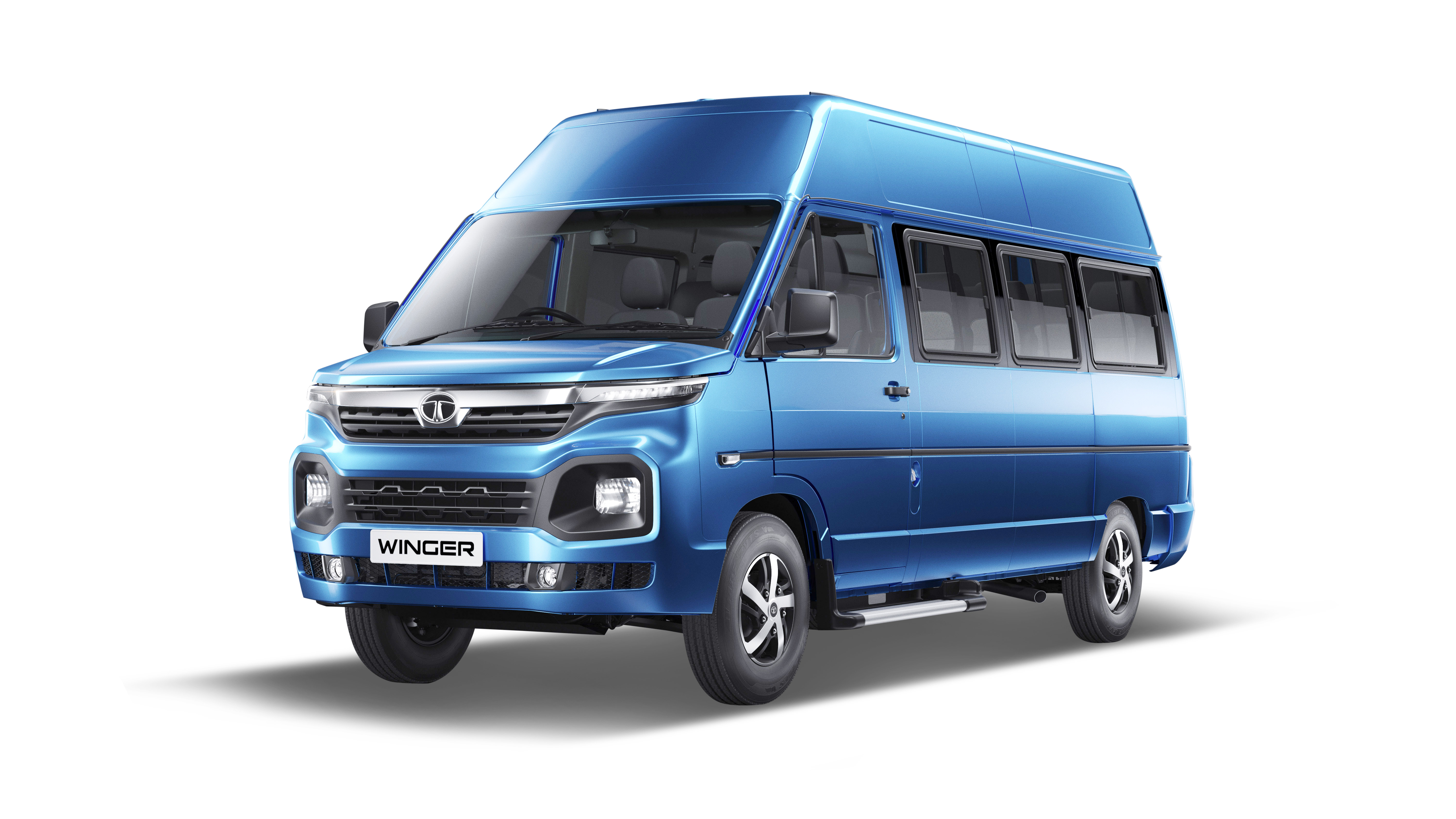
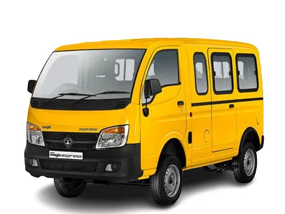
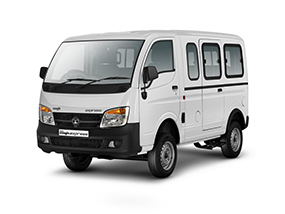
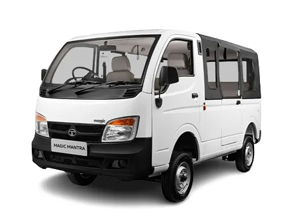
Tata’s strategy includes an entire bouquet of vehicle types to cater to different needs - from the Magna EV intercity coach to Magic Bi-fuel for last-mile transit, Ultra Prime CNG for staff and school services, and luxury and long-haul versions like CityRide Prime and LPO 1822. This multi-model approach lets operators choose the best fit for their specific routes, costs and duty cycles - boosting flexibility and adoption.
Profitable Operations Through Smart Tech
Tata’s Fleet Edge connected platform powers its business models with telemetry, diagnostics, safety tools (like GPS, CCTV) and real-time route optimization. This rich data layer enhances vehicle uptime, operational profitability, and customer satisfaction - crucial for models where Tata holds operational responsibility.
Scaling Access via Government Projects
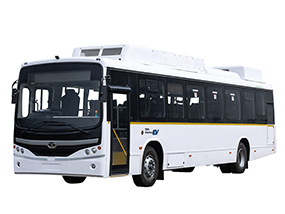
Beyond commercial models, Tata is winning institutional tenders, like being the lowest bidder for Nagpur’s 25-articulated e-bus project. Under this deal, Tata will supply, operate and maintain the articulated buses, along with flash-charging stations and depots - further extending its GCC-style approach to city-run fleets.
Sustainable Growth with Market-Smart Designs
The Ultra EV 7M’s compact build addresses the real-world challenge of narrow lanes in Indian cities, while offering fast charging (~2.5 hours), robust safety systems, and regenerative braking resilience. Its adaptability and usable performance make it a win-win for both Tata and new segments, from intra-city transport to corporate shuttle services - especially under the GCC model which rewards reliability and efficiency.
With business models like GCC, segment-specific vehicle design and integrated digital platforms, Tata Motors is not just building E-buses - it is architecting how modern, sustainable mobility is procured, operated and delivered. By enabling access, reliability and profitability across public and private sectors, Tata Motors is charging forward—empowering businesses, cities, and fleets to go electric in smarter, more sustainable ways.