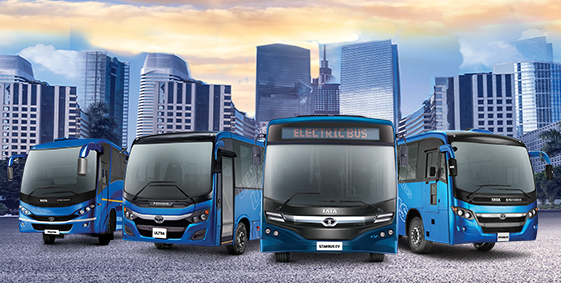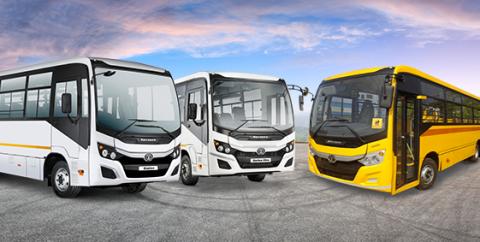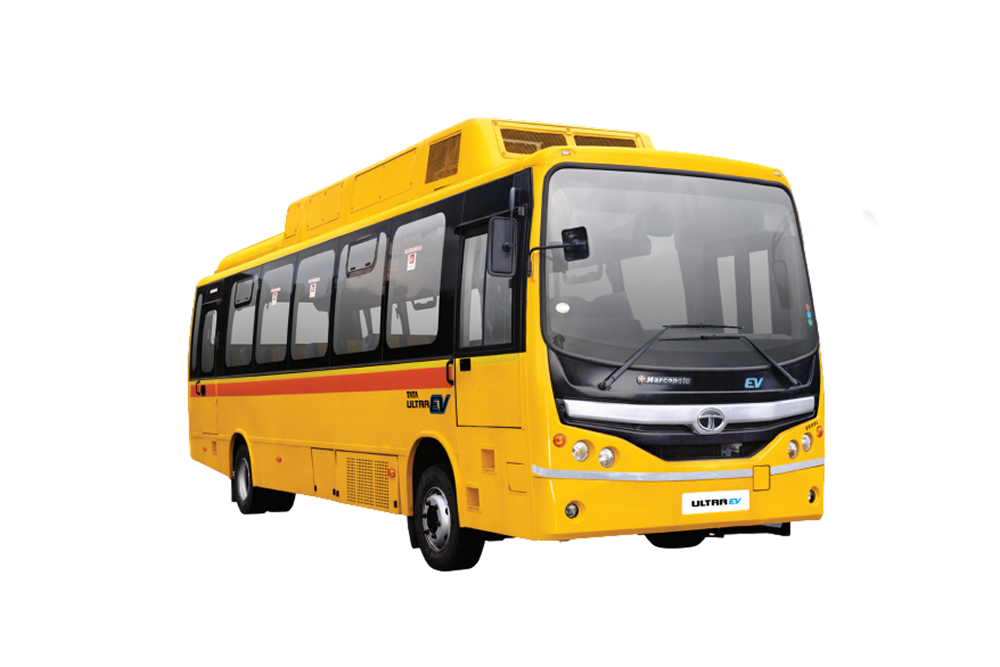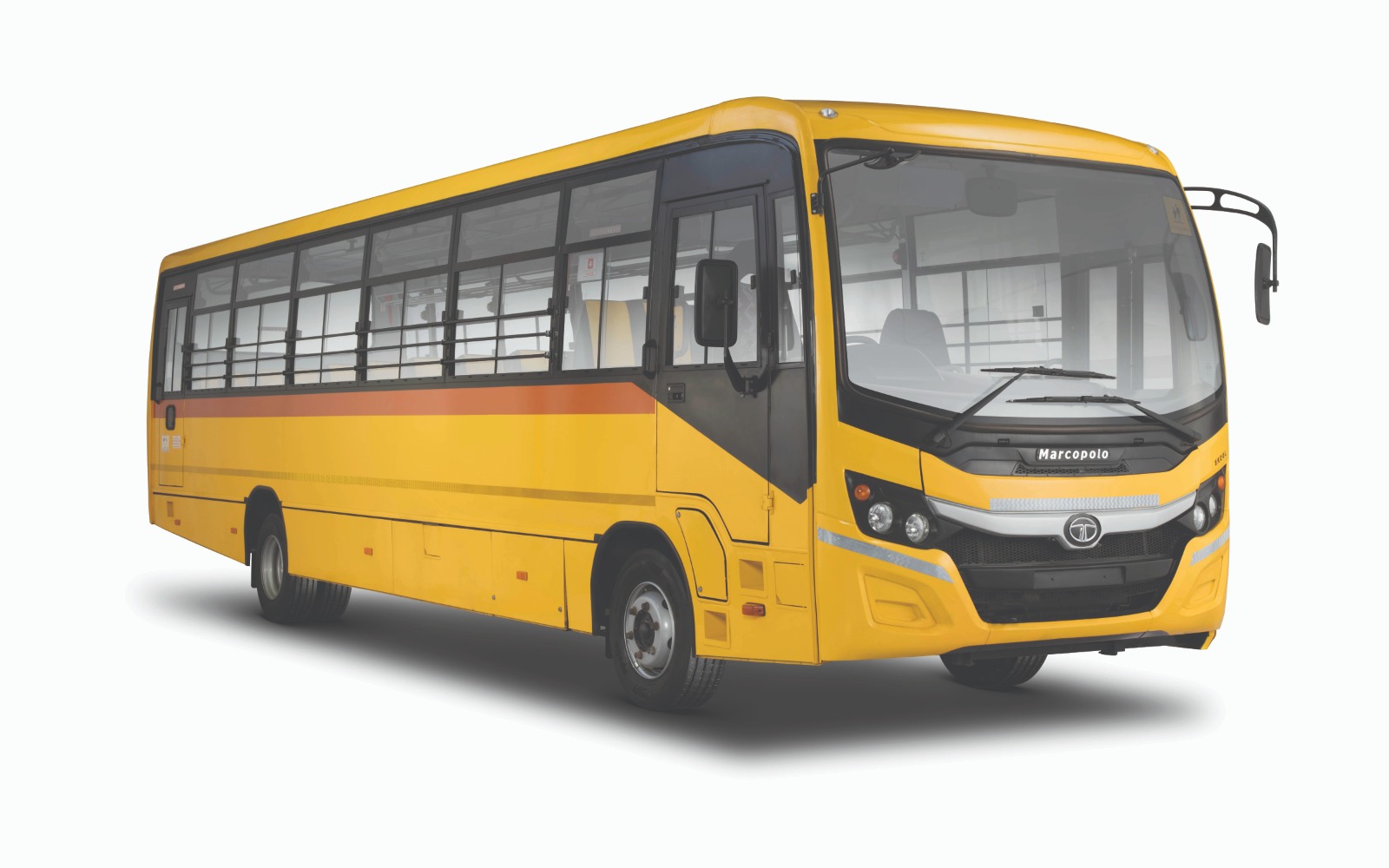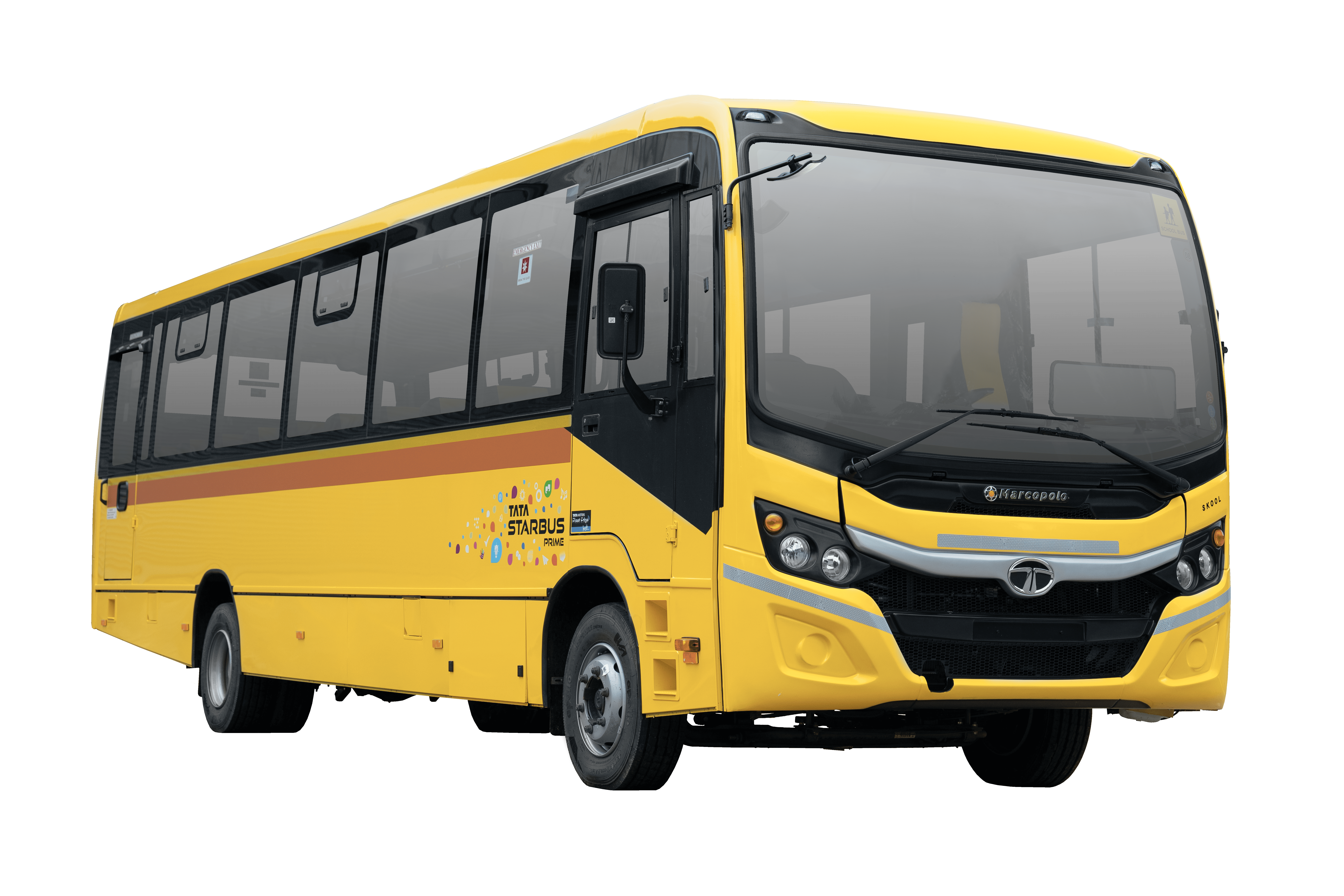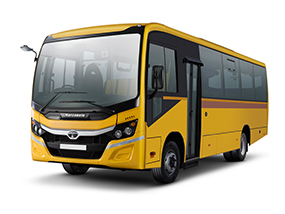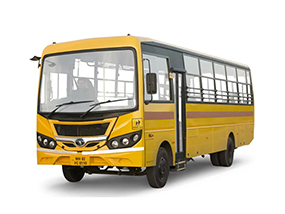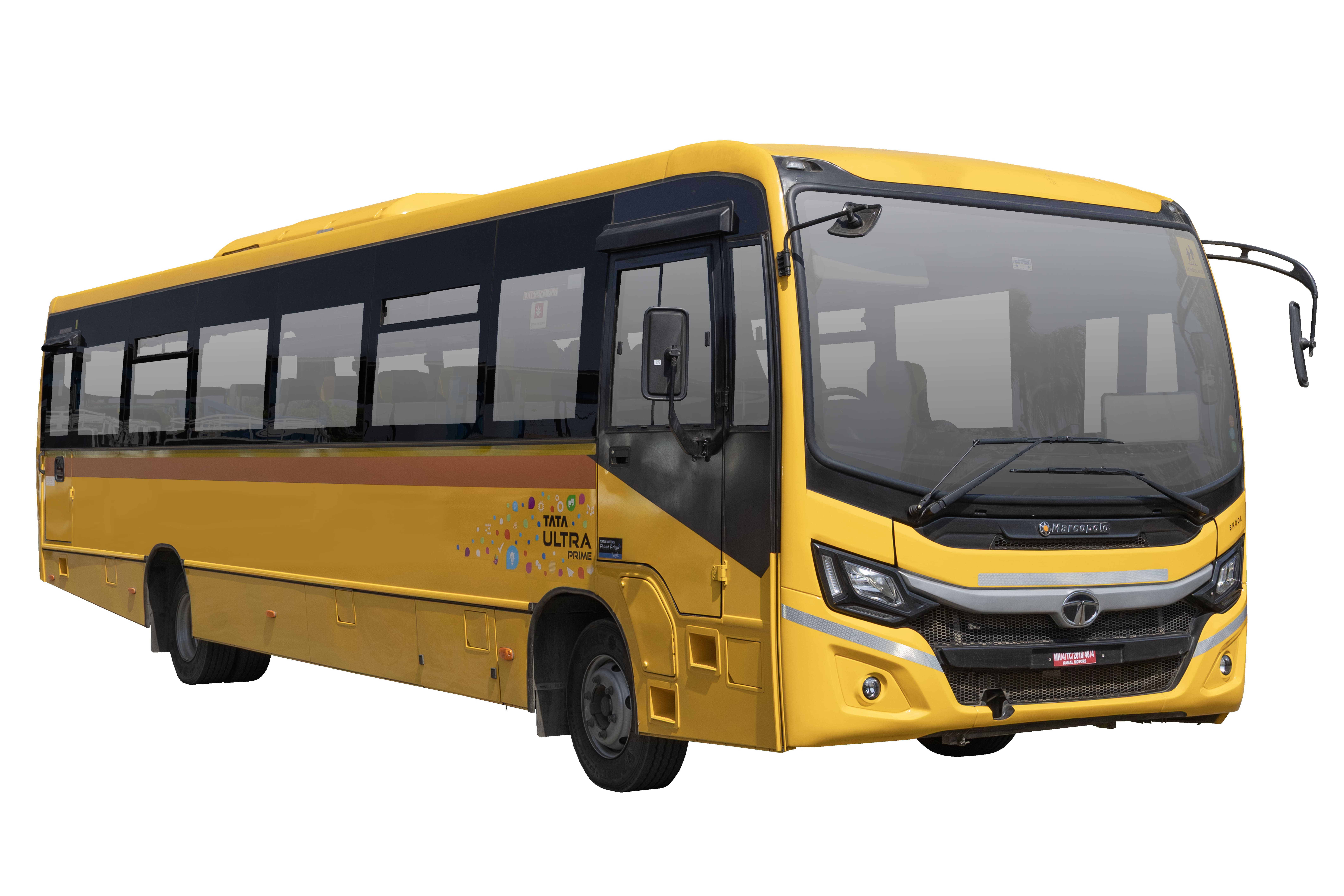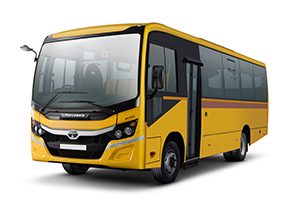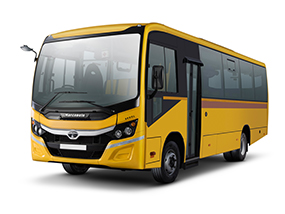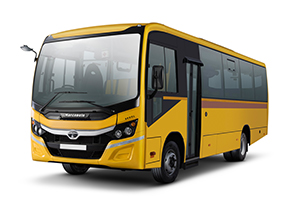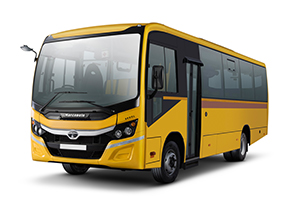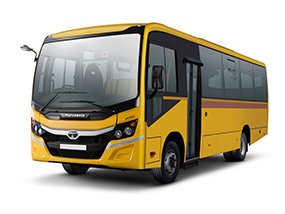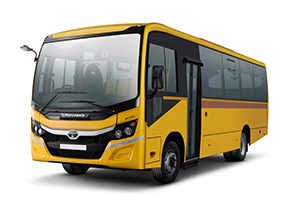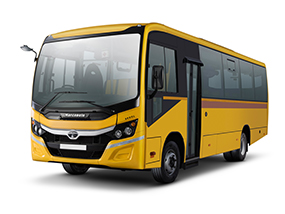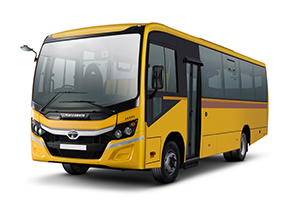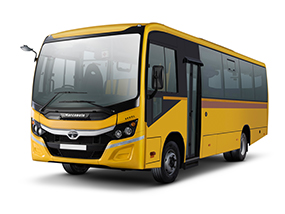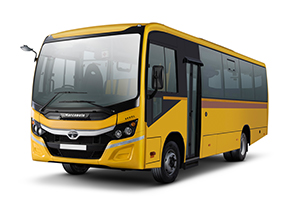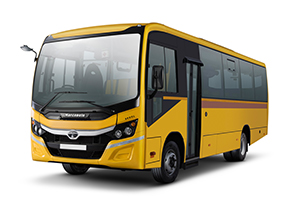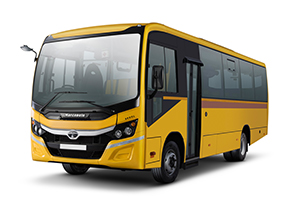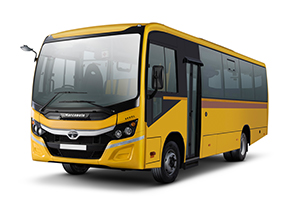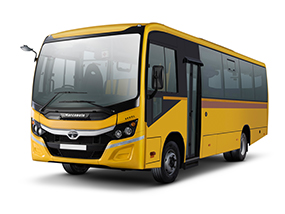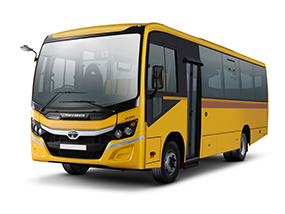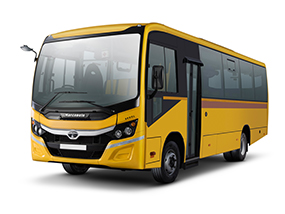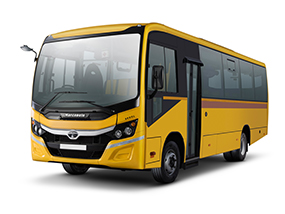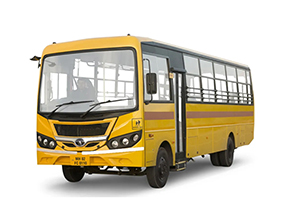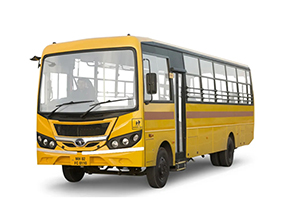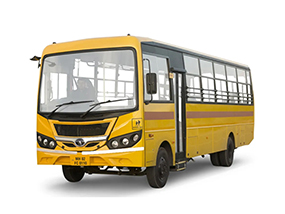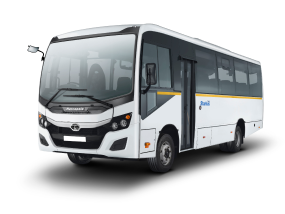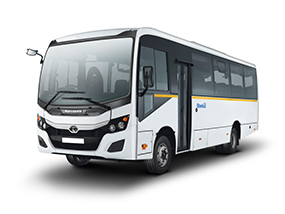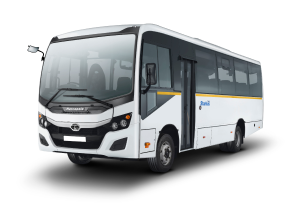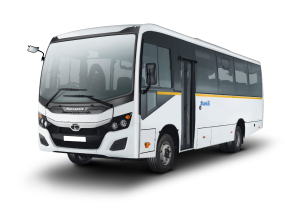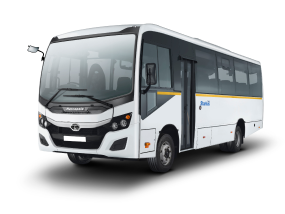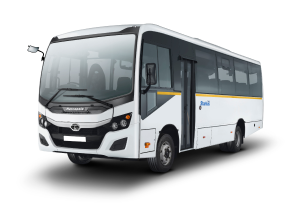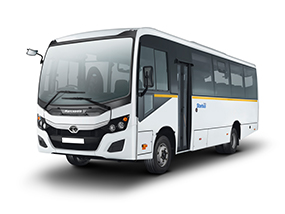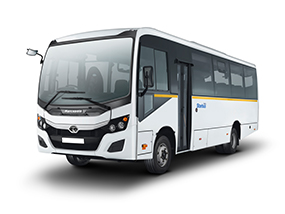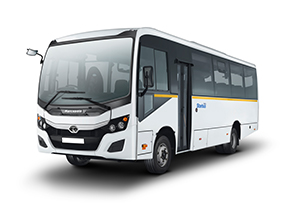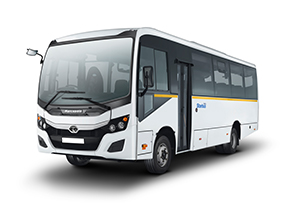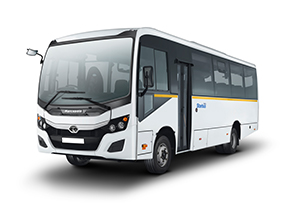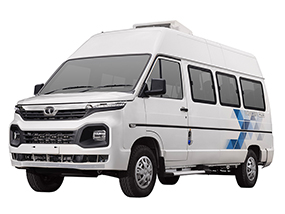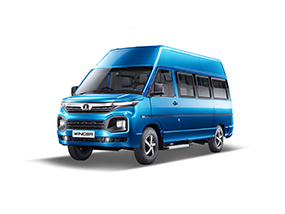
Mini buses have quietly become the workhorses of Indian cities and towns - ferrying kids to school, moving office shifts, and ferrying tourists. In 2026, most popular mini buses in India sit in the ₹7–16 lakh ex-showroom range, with prices changing based on seating layout, comfort features, and whether you choose diesel or greener fuel options. For fleet owners, the real magic is how these compact vehicles balance city agility with big-bus earnings potential.
What Counts as a Mini Bus
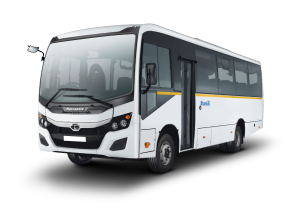
Mini buses typically seat 9–20 passengers and are built to squeeze through narrow lanes, sharp turns and crowded markets. They usually feature high roofs, easy side entry, and front-facing seats that offer “car-like” ride comfort while still feeling robust enough for daily commercial use. This makes them ideal for schools, corporates, hospitals, hotels and tour operators.
How Much Do Mini Buses Cost?
Across India, mini bus prices in 2026 roughly break down like this:
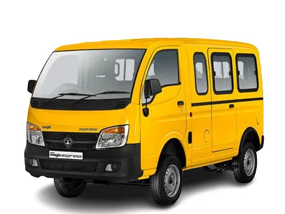
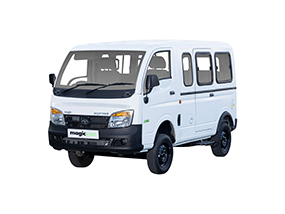
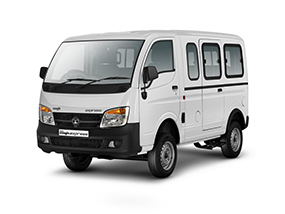
- Entry-level people movers like Tata Magic Express start around ₹7.3–7.8 lakh for typical 9–13 seater configurations.
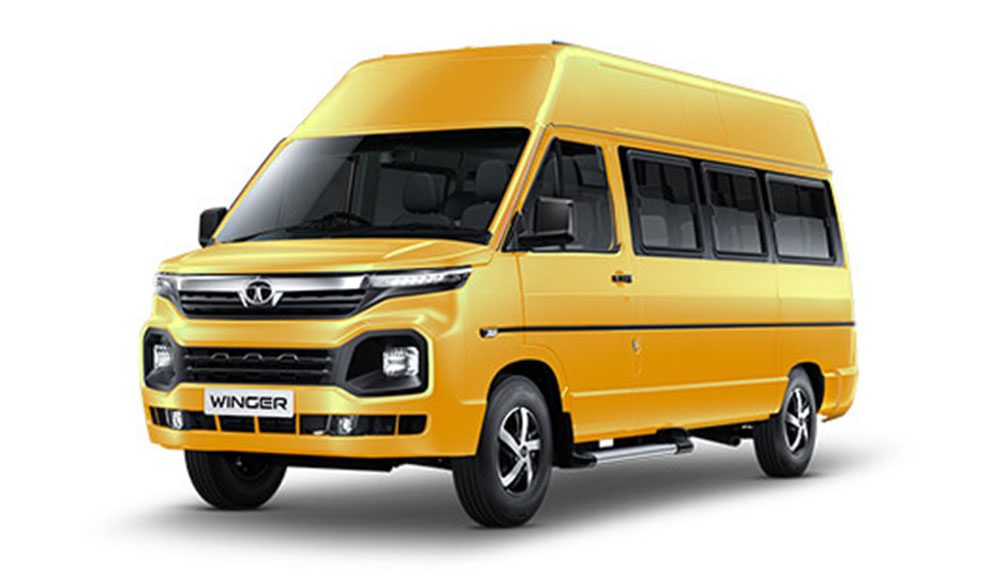
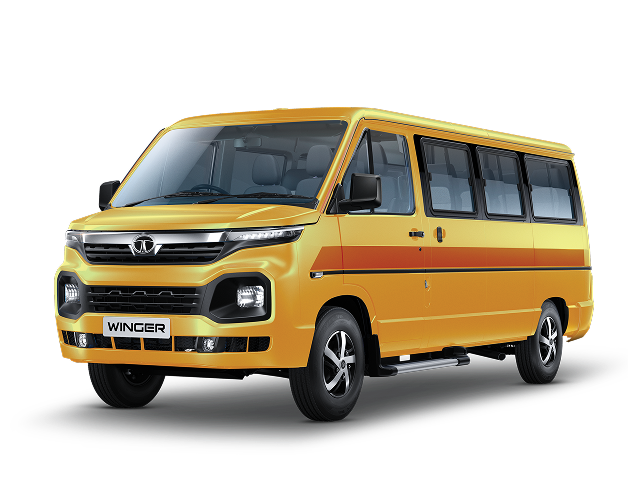
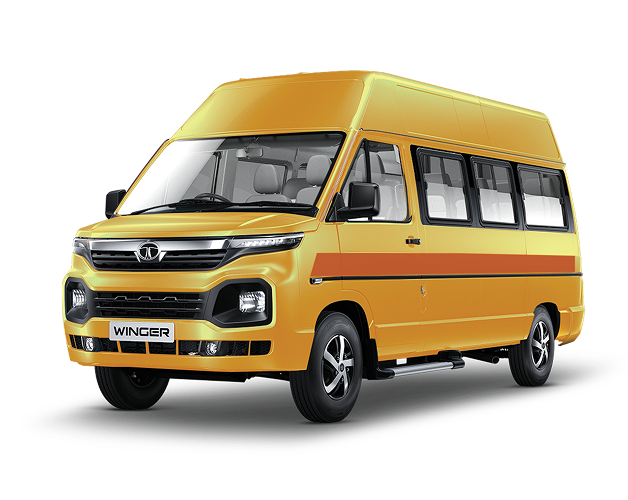
- Premium, feature-rich options like Tata Winger Staff sit higher, roughly ₹14–15.5 lakh depending on seating (9–15) and wheelbase.

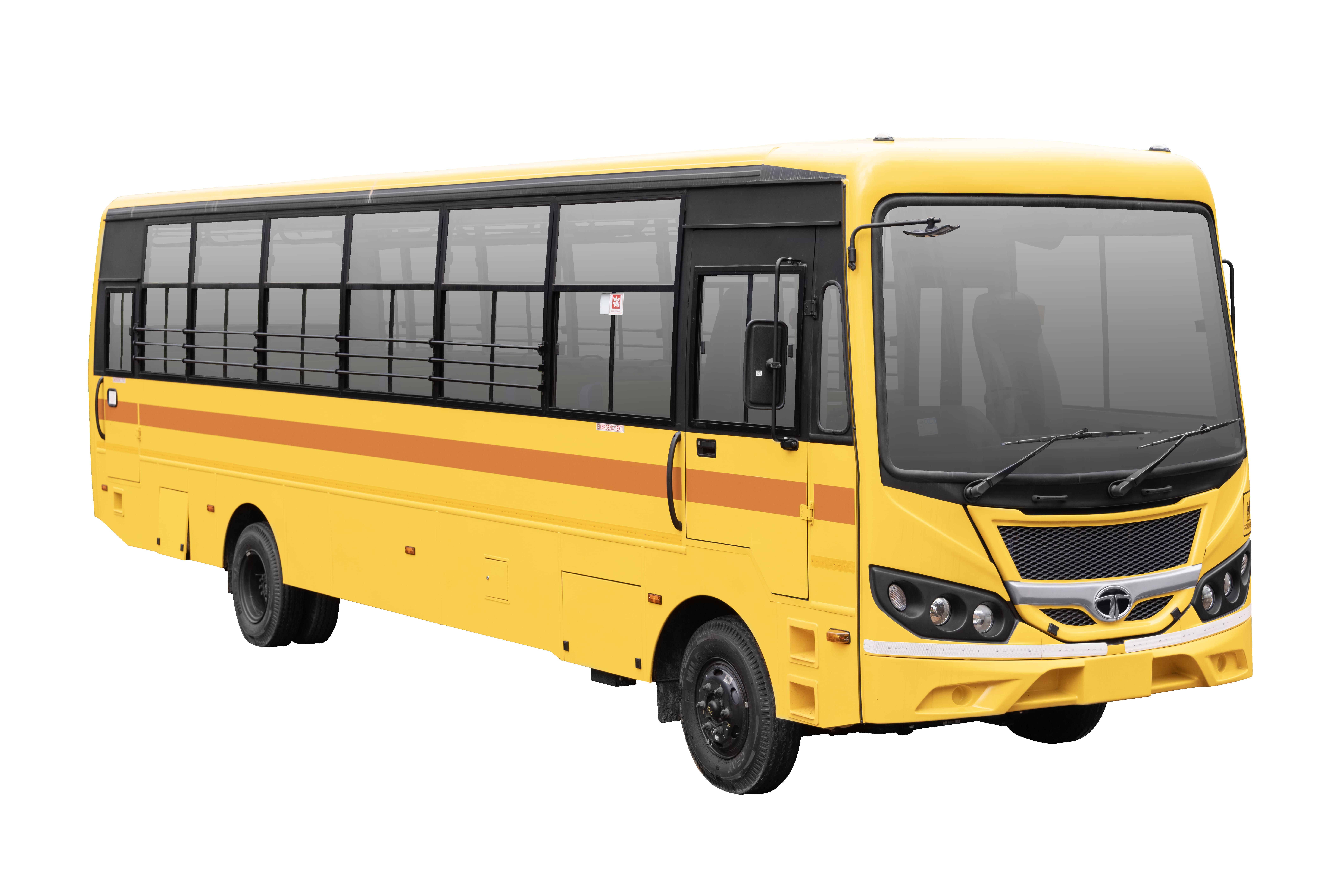
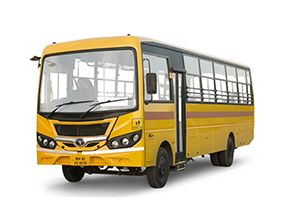
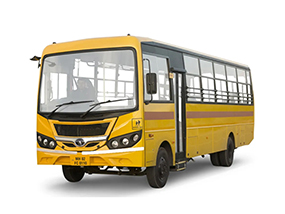
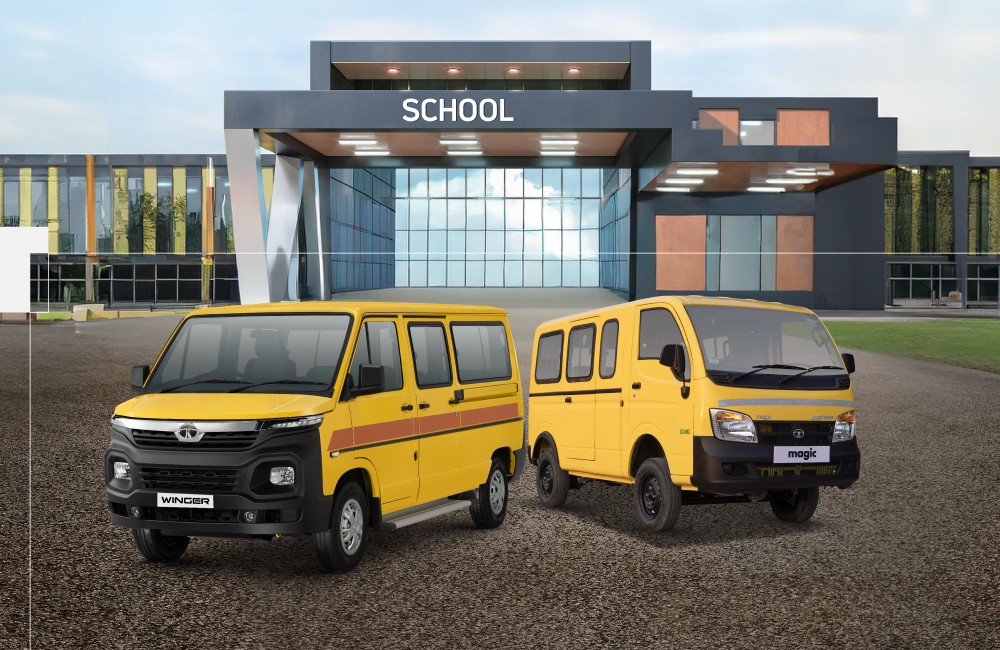
- School-focused variants of Winger, with additional safety equipment, fall in the ₹13–16 lakh band.
These are ex-showroom prices; on-road cost vary by state taxes, permits, insurance and any local incentives. For a buyer, it means you can start a serious passenger transport business at a price point comparable to an SUV - but with the revenue potential of a small bus fleet.
Why Schools Love Mini Buses
Parents today want safety; schools need flexibility and cost control. Mini buses deliver all three.
- School versions of vehicles like Tata Winger School incorporate speed limiters, high-visibility decals, emergency exits, and layouts that comply with AIS-052/066 bus body codes for children.
- Because these buses typically carry 10–20 students per trip, they can comfortably navigate into housing societies and smaller roads where big school buses cannot enter, reducing last-mile risk for children.
Staff Transport: Turning Commutes into a Perk
For companies running multiple shifts, mini buses often become an HR advantage rather than just a logistics line item.
- Tata Winger Staff, for example, offers 9–13+1 high-back seats, a 2.2L BS6 diesel engine producing about 98 hp and 200 Nm torque, and a 60-litre fuel tank - well suited for two or three round trips in a day without refuelling.
- Front independent suspension, anti-roll bars, and hydraulic shock absorbers deliver a noticeably smoother ride that leaves staff less fatigued after long, bumpy commutes.
Tours, Hotels, and the “Last Mile” Experience
From airport transfers to hillside monasteries, mini buses often handle the most memorable - and most difficult - leg of a journey.
- Tourist-friendly formats of mini buses are praised for front-facing, cushioned seats and high rooflines that allow passengers to stand briefly and move without contorting down cramped aisles.
- The compact footprint and turning circle make them ideal for heritage city lanes, resort access roads, and coastal villages where a full-size coach might have to drop guests far away from their actual destination.
Beyond People Movers: Creative Use-Cases
One fascinating trend is how the same mini bus platforms spawn specialised variants.
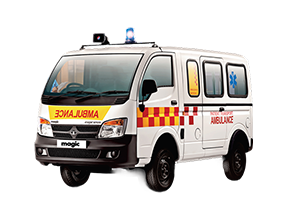
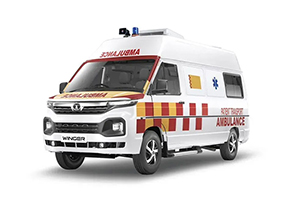
- Tata’s Magic Express platform, for instance, underpins not just people movers but also compact ambulances that comply with AIS-125, equipped with auto-loading stretchers, oxygen cylinder mounts, and medical cabinetry.
- This shows how robust underpinnings and compact dimensions make mini buses perfect for mission-critical roles - school vans in the morning, tourist shuttles by day, and even emergency service platforms in separate dedicated fleets.
For entrepreneurs, that flexibility translates into better asset utilisation and resilience when demand shifts between segments.
The Tata Motors Edge
Three aspects of Tata mini buses: comfort, drivability and commercial logic, give them the edge over others.
- Vehicles like Winger Staff are described as offering a “car-like” driving experience, thanks to power steering, light clutch and smooth gearshifts, which reduces driver fatigue on dense city routes.
- Models like Magic Express highlight fuel efficiency, low maintenance costs, and strong resale, which is why operators across school, staff, and local route segments choose them.
For schools, corporates, and tour operators planning their next fleet addition, exploring Tata’s buses and mini-bus-based solutions via their commercial vehicle channels and authorised dealers can help fine-tune seating, body configurations and financing to match exact route realities.