Across Indian cities, the bus you board today is increasingly likely to be electric - but diesel still dominates the roads.
In 2024, India registered around 3,600 electric buses versus over 41,000 diesel units, giving EVs just over 6% market share. That gap is exactly where operators, city planners, and OEMs like Tata Motors are now battling for the future of public transport.
Price: Upfront Cost vs Lifetime Cost
On paper, diesel buses still look cheaper the day you sign the cheque.
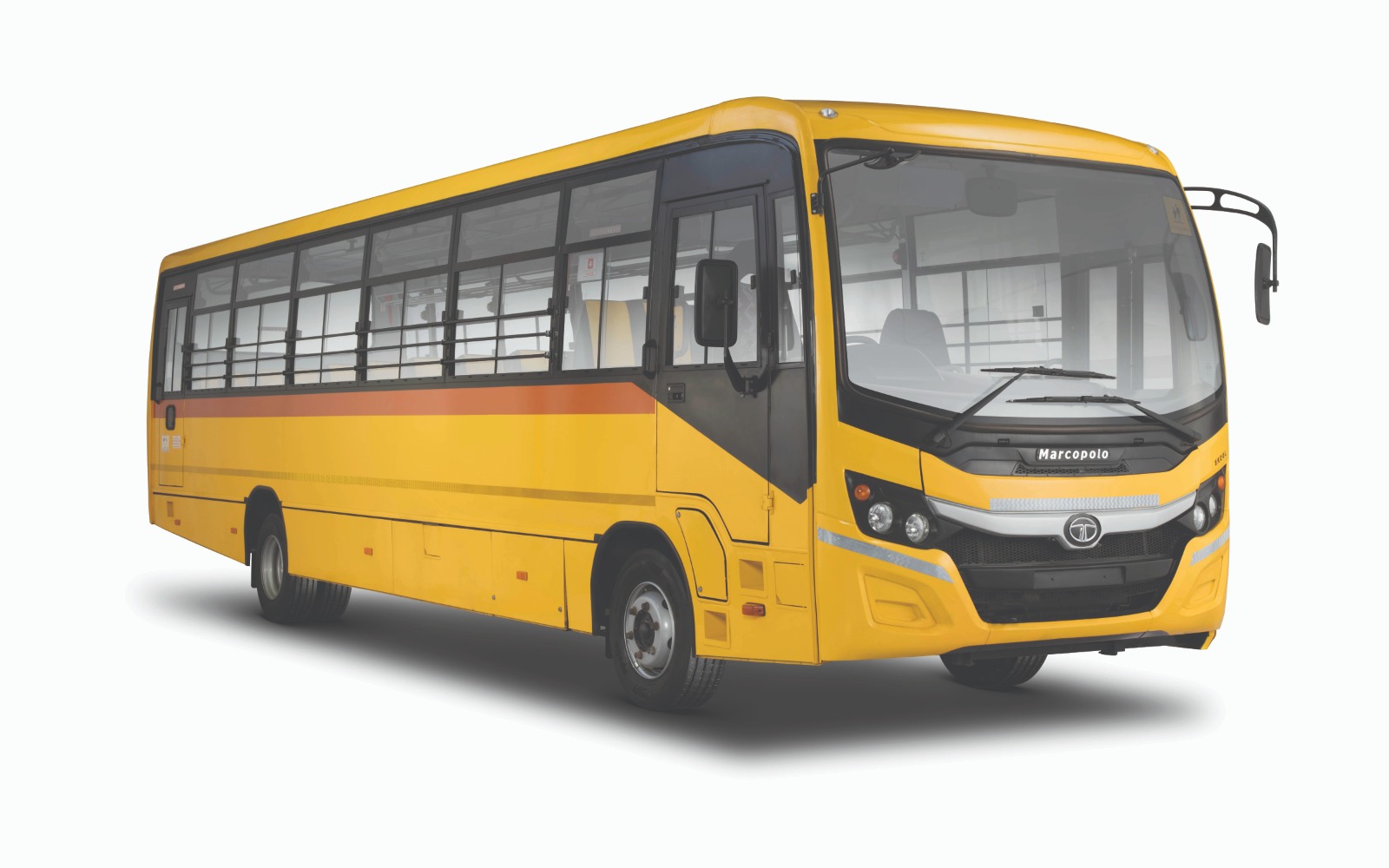
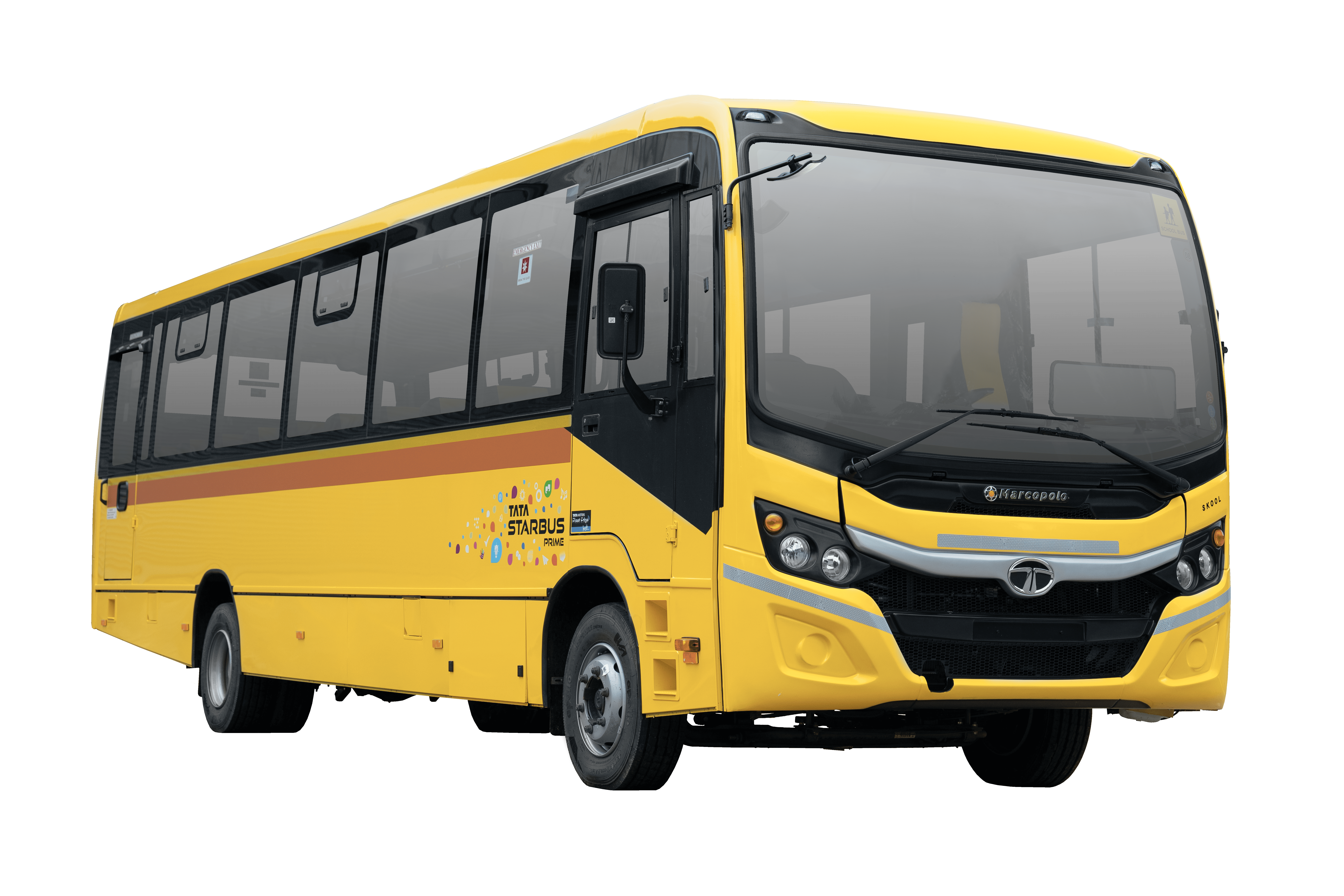
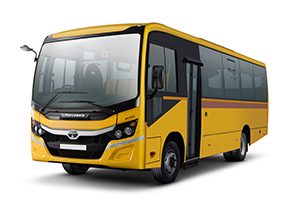
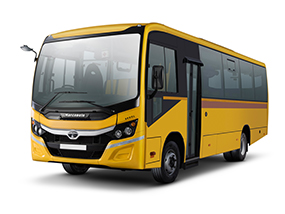
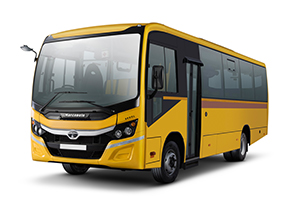
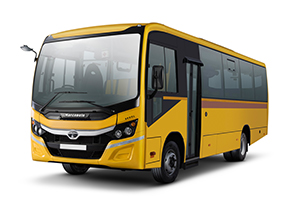
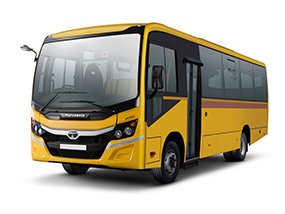
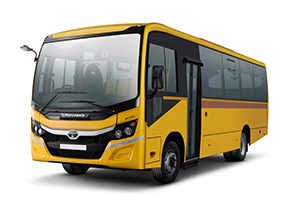
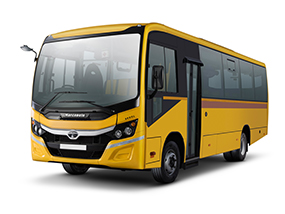
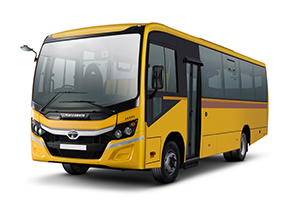
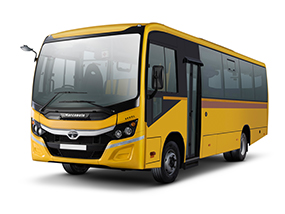
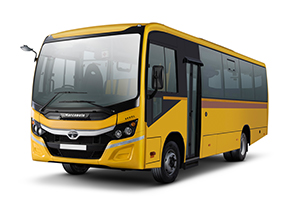
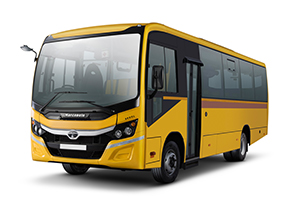
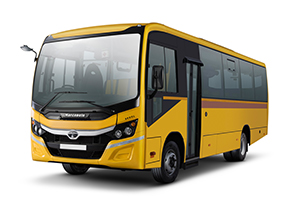
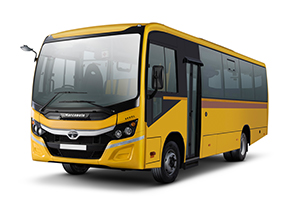
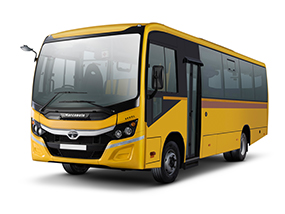
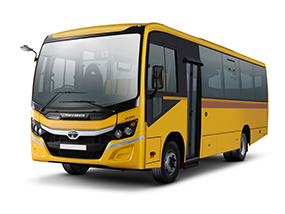
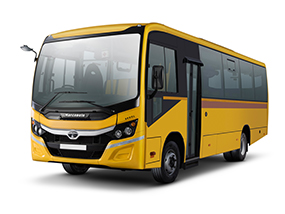
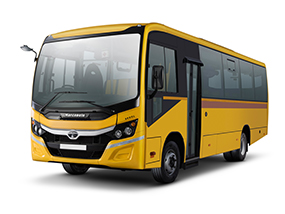
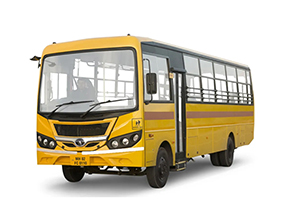
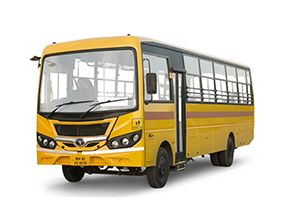
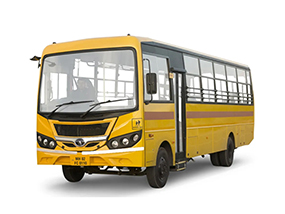
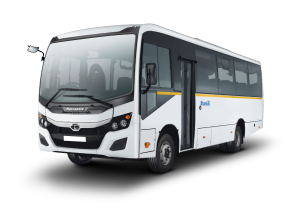
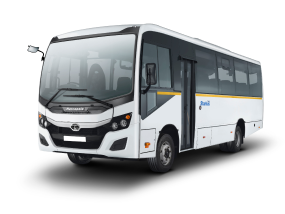
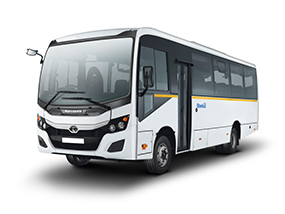
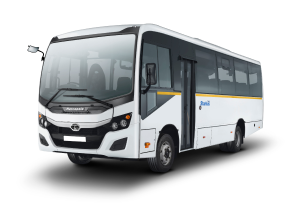
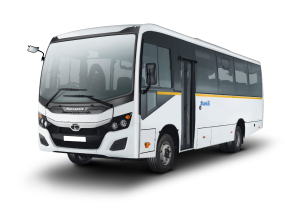
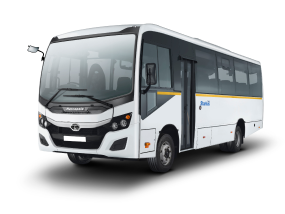
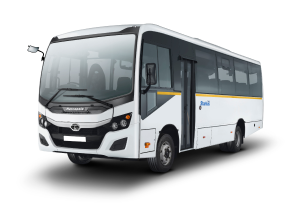
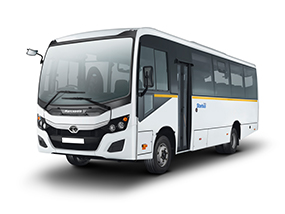
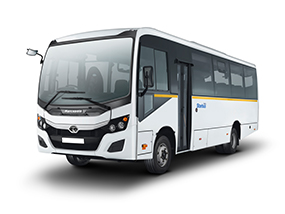
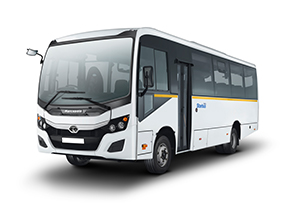
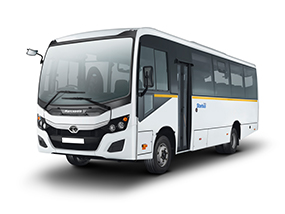
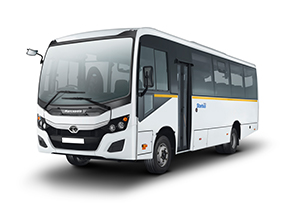
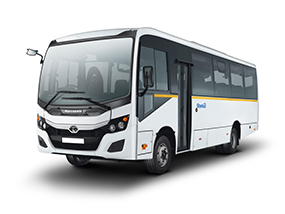
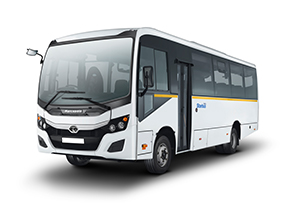
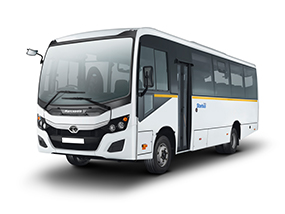
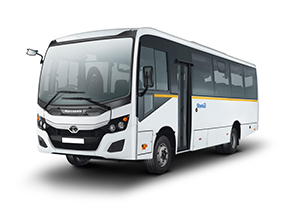
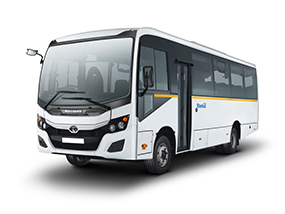
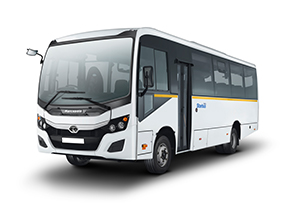
- Typical city diesel buses like Tata Starbus City sit in the ₹22–28 lakh ex-showroom band for CNG/diesel city formats, with intercity diesel chassis going into the ₹26–32 lakh range depending on power and wheelbase.
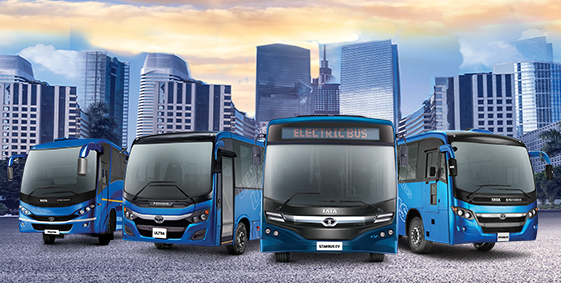
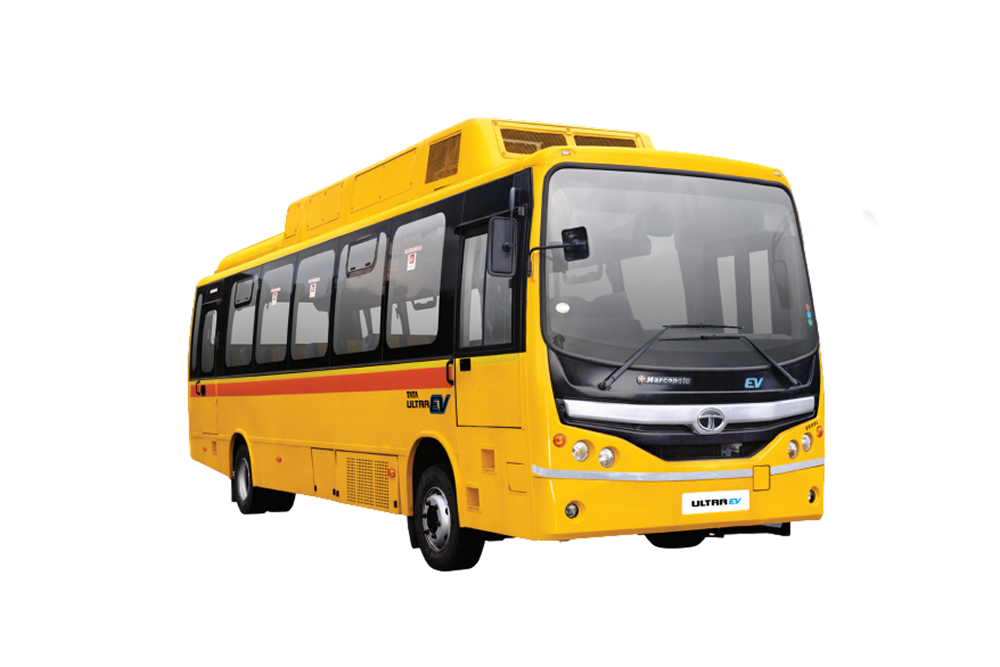
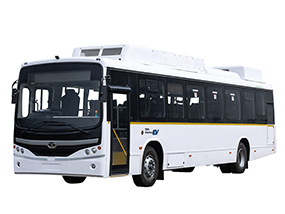
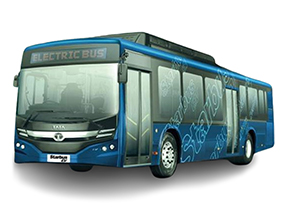
- Electric city buses such as the Tata Starbus EV 4/12 Low Entry and premium Ultra EV variants can cross ₹2–2.2 crore, reflecting the cost of battery packs and advanced electronics.
However, electric buses claw back this higher upfront price through far lower “fuel” cost per km, fewer moving parts, and reduced maintenance downtime over a 10–12 year lifecycle. In many cities, FAME-style subsidies and state schemes further bridge the capex gap, making TCO (total cost of ownership) for EV buses increasingly competitive.
Benefits: What Electric Changes on the Ground
For passengers and cities, the difference between an electric and diesel bus is instantly noticeable.
- Electric buses like the Tata Starbus EV and Ultra EV run almost silently, with smoother acceleration and no tailpipe fumes - crucial in dense metros like Mumbai, Delhi and Bengaluru.
- Air quality and noise benefits scale quickly: nationwide adoption of e-buses is central to India’s fleet decarbonisation strategy under schemes such as PM e-Bus Sewa and state-level EV policies.
Diesel buses still offer strengths - longer range with easy refuelling, proven highway performance, and a mature service ecosystem - especially where charging infrastructure is nascent or routes are very long-haul. But for fixed urban routes with high frequency and predictable schedules, electric is rapidly emerging as a superior passenger experience and policy-aligned choice.
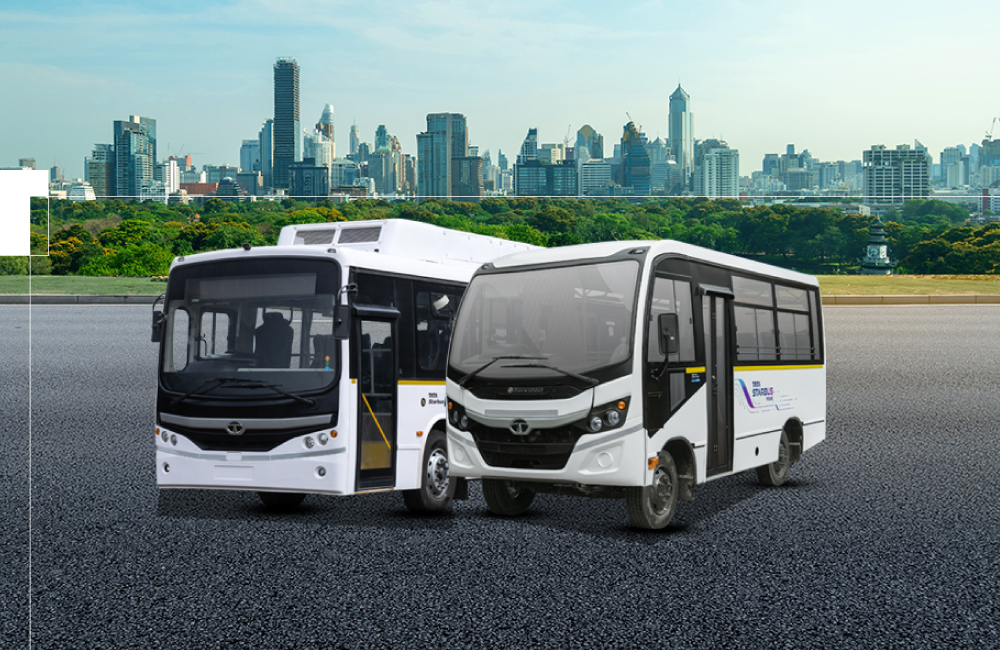
Tata Motors Line-up: EV and Diesel Side by Side
Tata Motors’ buses portfolio (showcased via its commercial and buses ranges) is a good snapshot of this transition.
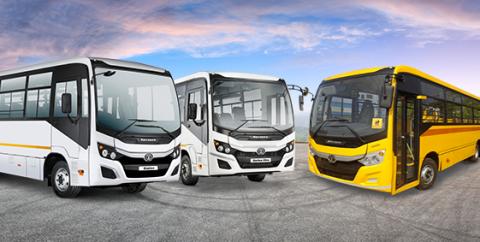
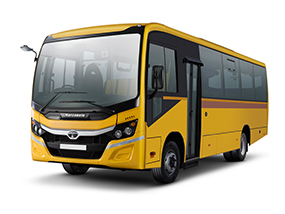
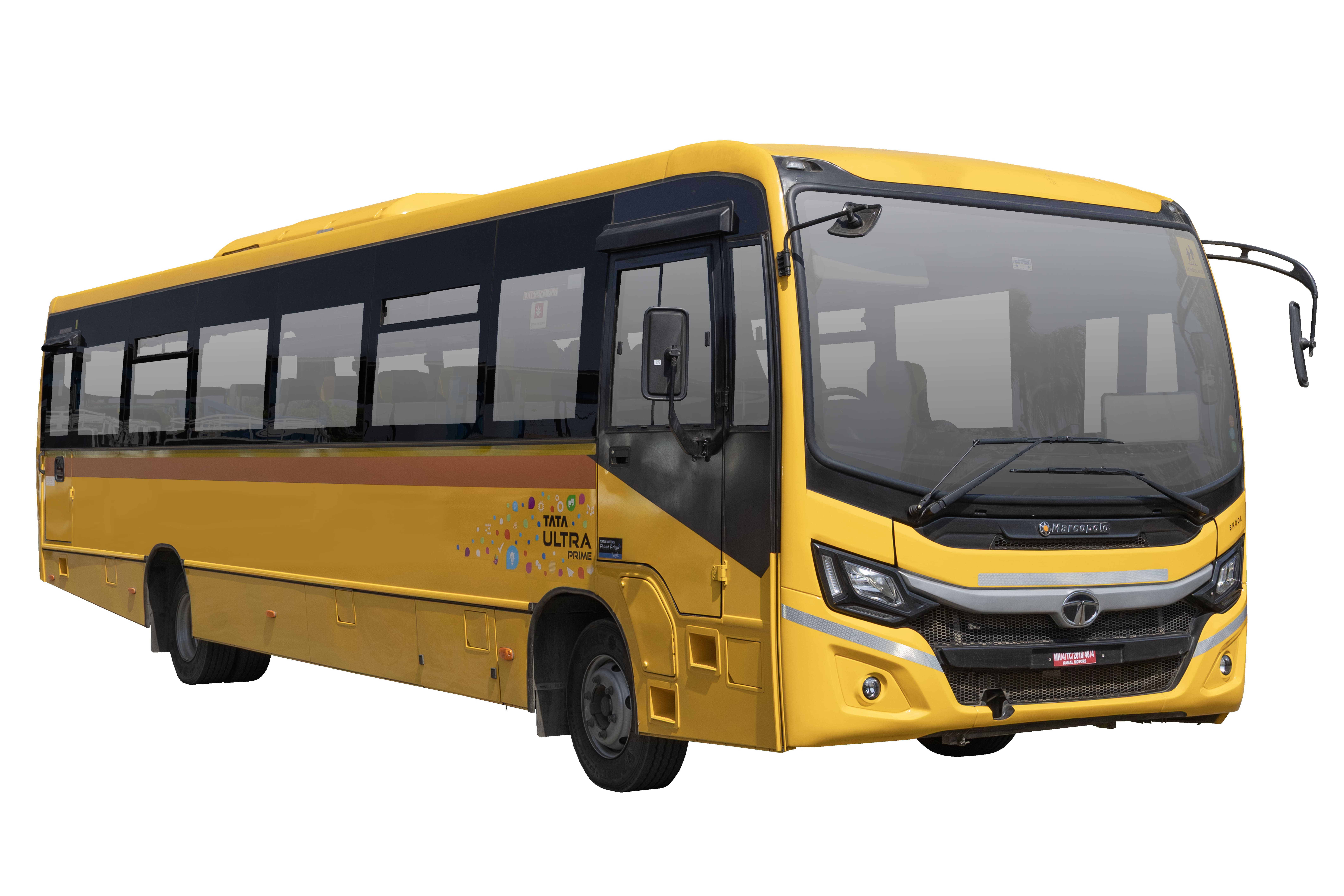
- On the diesel/CNG side, Starbus City and Tata Inter City chassis power everything from intra-city non-AC buses to sleeper coaches, with power outputs up to around 186–220 hp and fuel tanks of roughly 350 litres for highway applications.
- On the electric side, the Starbus EV family and premium Starbus Ultra EV offer low-floor, AC-equipped city buses with different lengths, battery configurations, and passenger capacities, designed for urban routes and BRT-like operations.
Tata electric buses are already running in cities like Mumbai, Pune, Lucknow, Ahmedabad, Delhi, Bengaluru, Srinagar and more. This dual portfolio lets undertakings mix diesel for long-haul and EV for dense city corridors rather than switching overnight.
Operations: Charging, Range and Uptime
Operators worry less about technology and more about uptime.
- Electric buses in Tata’s portfolio are generally designed for urban duty cycles, with ranges tuned for city schedules and overnight or opportunity charging at depots and terminals.
- Diesel buses, meanwhile, retain the edge for ultra-long routes thanks to fast refuelling and established highway networks, which is why intercity coach and sleeper segments remain largely diesel-driven today.
Hybrid strategies - daytime city EV operations, nighttime diesel intercity runs - are already visible in several Indian transport undertakings as they balance risk, driver familiarity and depot readiness.
Future of Public Transport in India
If the registration data is any signal, the direction of travel is clear.
- In just the first half of 2025, India added around 2,100 electric buses, a 33% jump over the previous period, and EVs have climbed to over 12% share within heavy passenger vehicles in some procurement cycles.
- Government schemes are increasingly structured to favour zero-emission fleets, and OEM roadmaps show deep investment in electric platforms, charging partnerships, and long-term service packages.
Diesel is not disappearing overnight, especially for remote regions and long intercity corridors. But as batteries get cheaper, grids get greener, and passengers start expecting quiet, clean rides as standard, electric buses are set to become the face of India’s everyday public transport - while manufacturers like Tata Motors evolve both EV and diesel line-ups to fit this new, mixed reality.