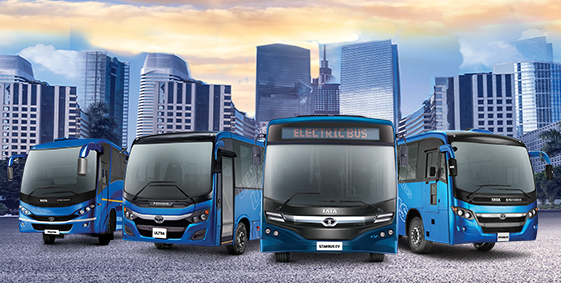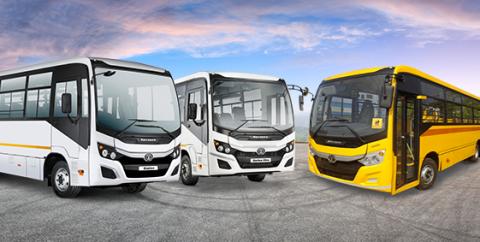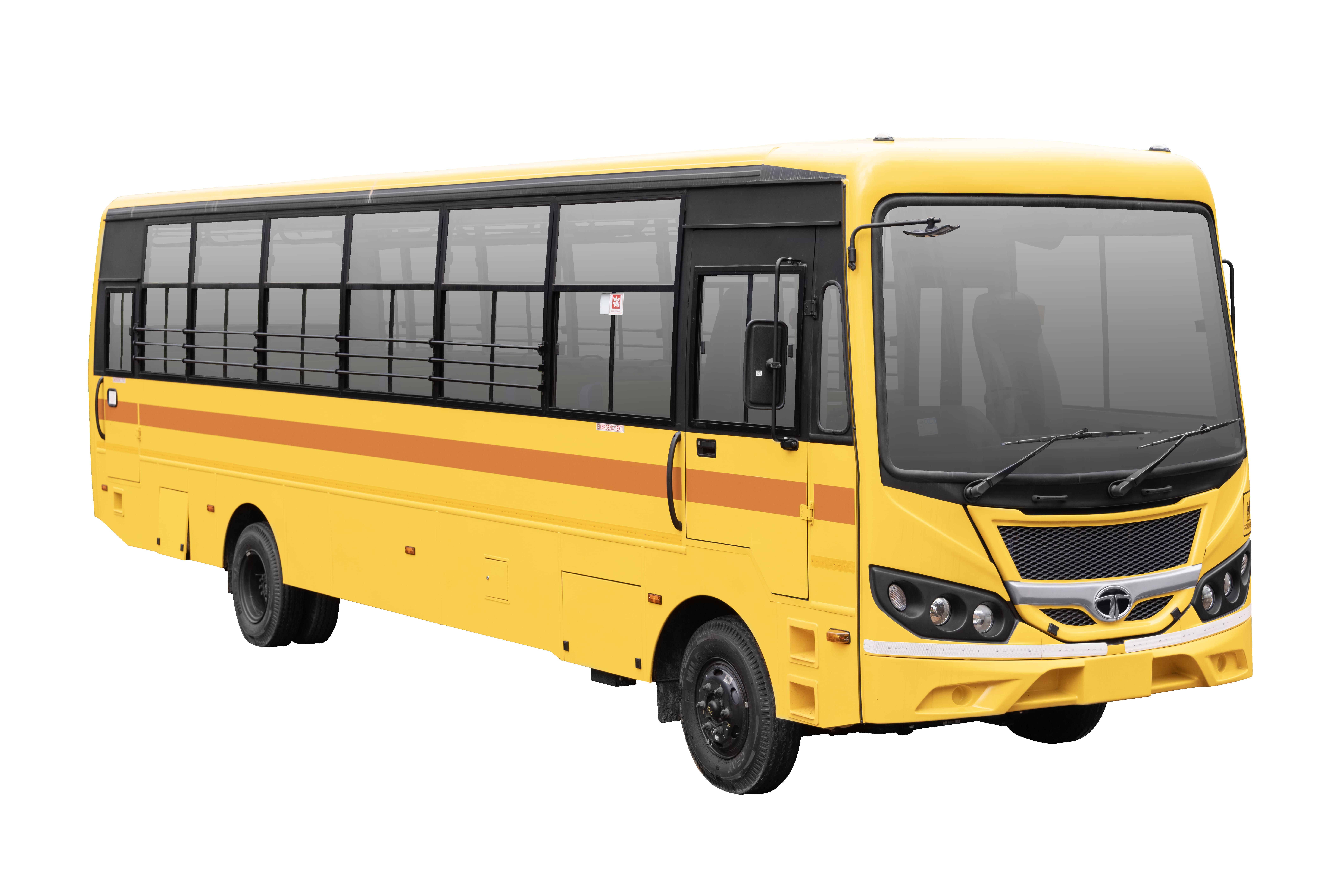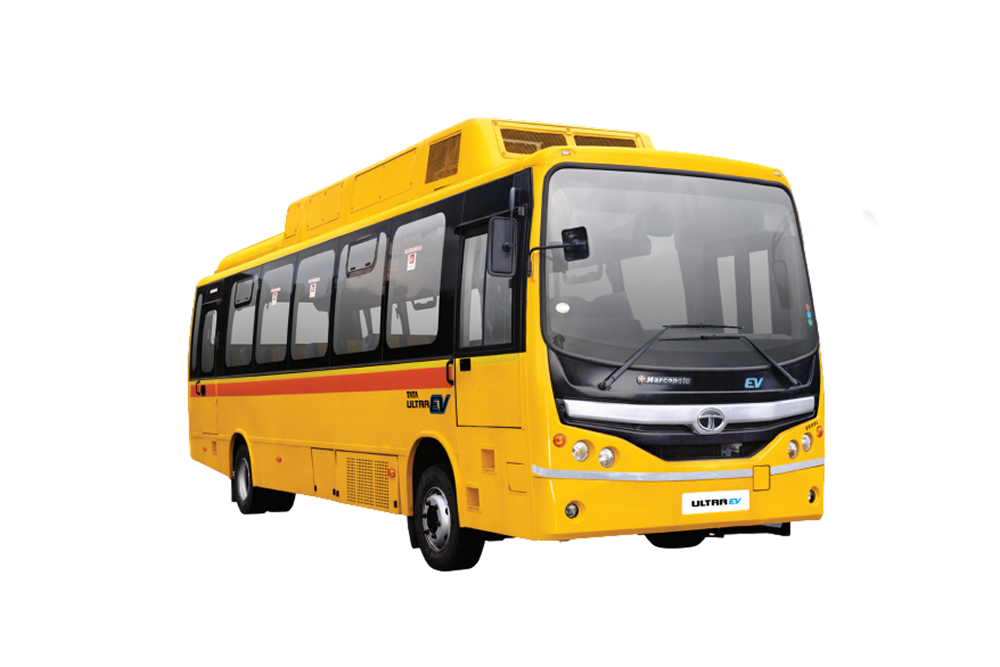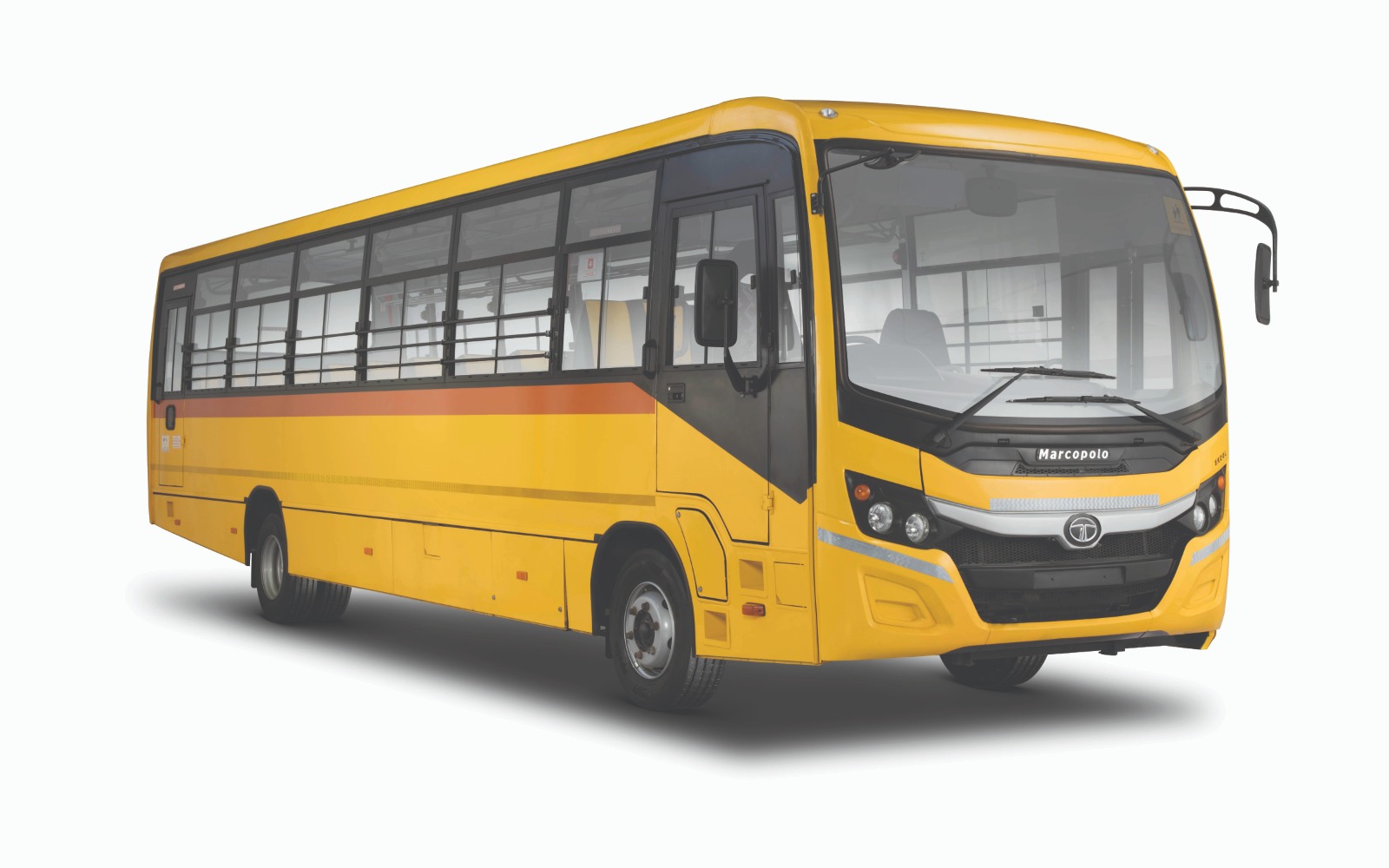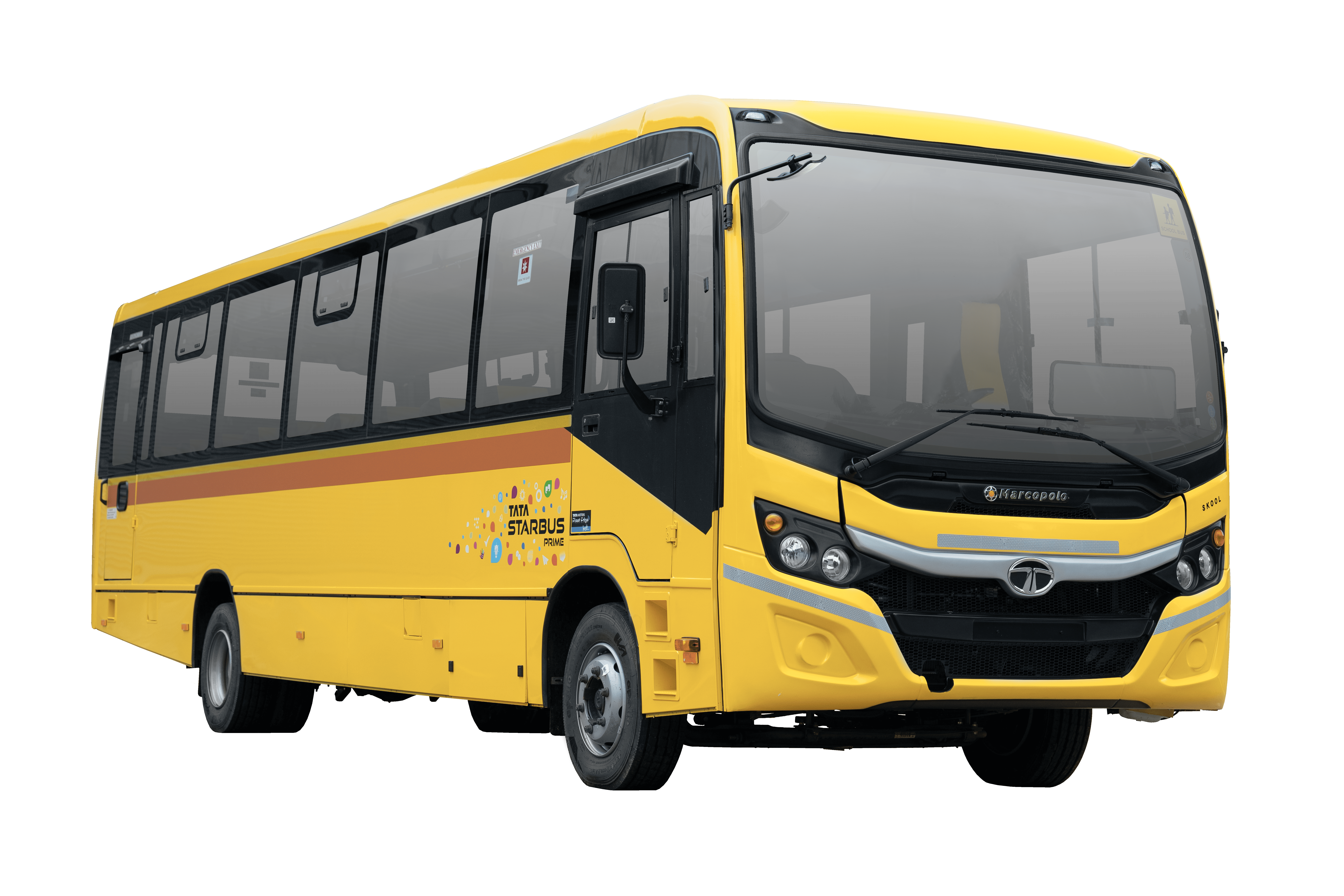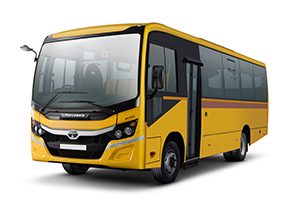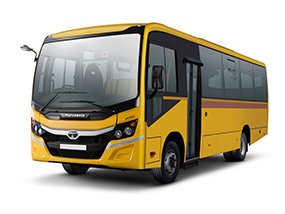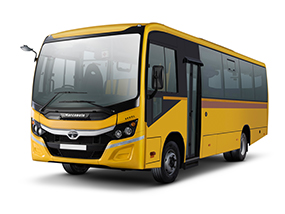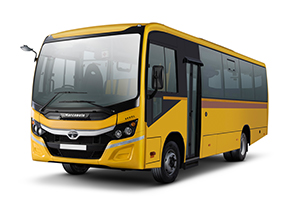
As electric buses gain ground in India’s public transport landscape, it’s time to bust common myths and uncover the facts behind this clean mobility revolution.
As India accelerates toward cleaner mobility, electric buses (E-buses) have emerged as a cornerstone of sustainable public transport. Yet, like any new technology, E-buses face their fair share of myths and misconceptions. From concerns about performance and charging to questions on reliability and cost, these perceptions often cloud the real picture.
At Tata Motors, with more than 25 crore E-bus kilometres clocked across Indian roads - equivalent to circling the Earth over 6,200 times - we have seen firsthand what the technology can achieve. Here, we separate fact from fiction to help fleet operators, city planners and passengers better understand the future of electric mobility.
Fiction 1: E-buses cannot handle long routes or tough terrains
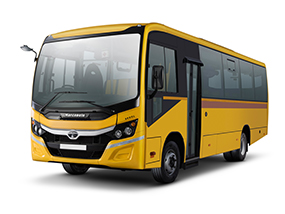
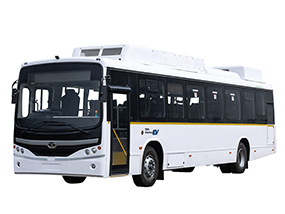
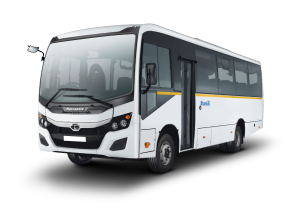
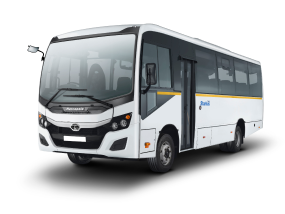
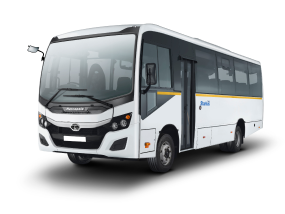
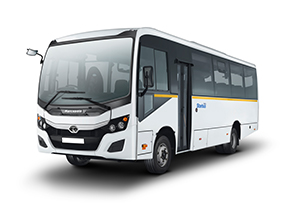
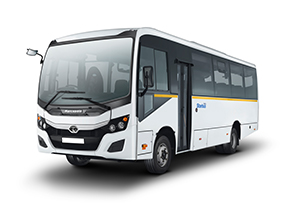
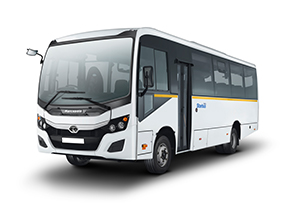
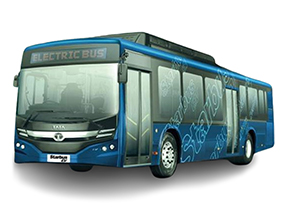
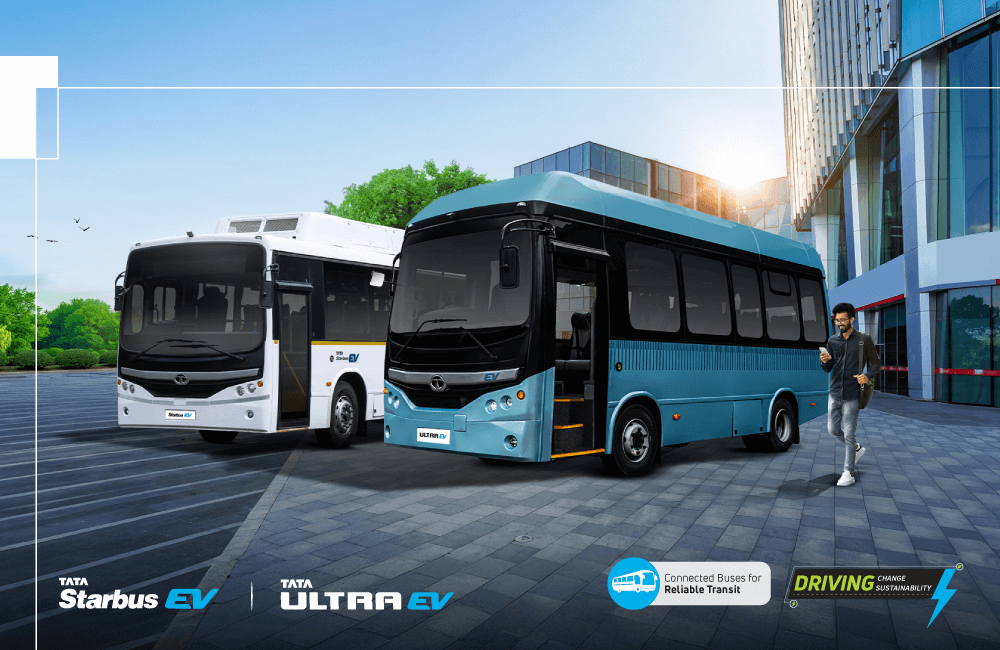
Fact: Tata Motors’ E-buses are built for Indian conditions. With advanced battery technology, regenerative braking and optimised drivetrains, they deliver strong performance across city commutes, intercity routes and even challenging geographies. Models like the Ultra EV 9/9 and Starbus EV have proven reliable in both short-haul and long-distance travel, ensuring zero-emission mobility without compromising on range or comfort.
Fiction 2: Charging infrastructure is a major bottleneck
Fact: While charging is often perceived as a challenge, India’s EV ecosystem is rapidly evolving. Tata Motors works closely with ecosystem partners like Tata Power to provide end-to-end charging solutions - from depot charging stations to fast chargers. Many operators are now building captive charging infrastructure to ensure seamless fleet operations. Smart fleet management systems further optimise charging schedules, minimising downtime and maximising vehicle availability.
Fiction 3: E-buses are more expensive than diesel buses
Fact: While upfront costs may be higher, the total cost of ownership (TCO) of E-buses is significantly lower. With reduced fuel expenses, fewer moving parts and lower maintenance requirements, operators can achieve long-term savings. In fact, studies have shown that over the lifecycle of a bus, E-buses can deliver a clear cost advantage over traditional diesel vehicles, especially when factoring in government incentives and sustainability-linked benefits.
Fiction 4: E-buses lack passenger comfort and safety features
Fact: Today’s E-buses are not only sustainable but also smart and safe. Tata Motors has introduced features like reclining seats, wider gangways, CCTV surveillance, panic buttons, and intelligent fleet management systems to enhance passenger safety and experience. The absence of engine noise and vibrations creates a quieter, smoother ride, making e-buses a preferred option for daily commuters.
Fiction 5: E-buses are not yet proven at scale
Fact: Tata Motors’ electric buses are already transforming public transport across multiple Indian cities. With over 1,500 e-buses deployed and counting, backed by strong service networks, advanced telematics and remote diagnostics, the technology is not experimental - it’s operational and dependable. The numbers speak for themselves: over 25 crore green kilometres travelled and growing every day.
The Road Ahead
E-bus technology is no longer a futuristic idea - it’s a proven reality driving India’s sustainable mobility vision. By dispelling myths and focusing on real-world results, Tata Motors is enabling cities and operators to adopt cleaner, smarter, and more cost-efficient transport solutions.
At Tata Motors, we believe the future of public transport lies in safe, smart and sustainable e-mobility - and that future is already here.