- Insights from India's EV Charging Framework
- Overcoming Challenges with Strategic Planning
- Visionary Solutions for Commercial Fleets
- Global Best Practices Informing Indian Strategy
- Tata Motors’ Strategic Role in E-Mobility Operations
- Smart Charging: Balancing Load, Cost and Performance
- Blueprint for Infrastructure Deployment
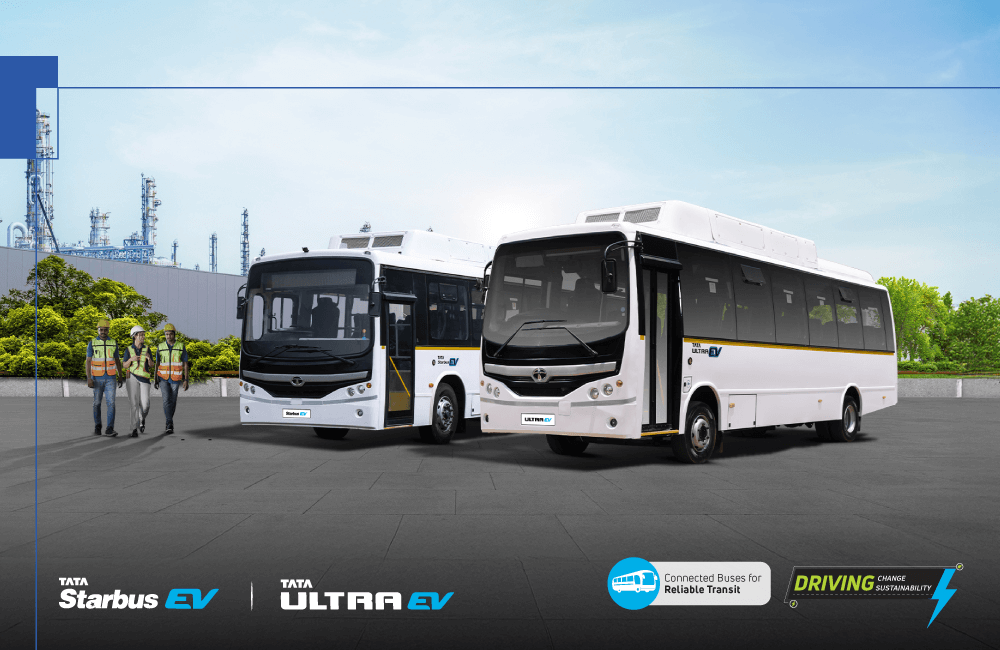
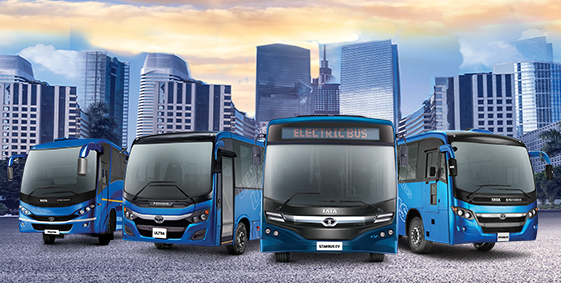
Empowering electric bus operations by developing robust captive charging infrastructure can ensure seamless, efficient and sustainable fleet management.
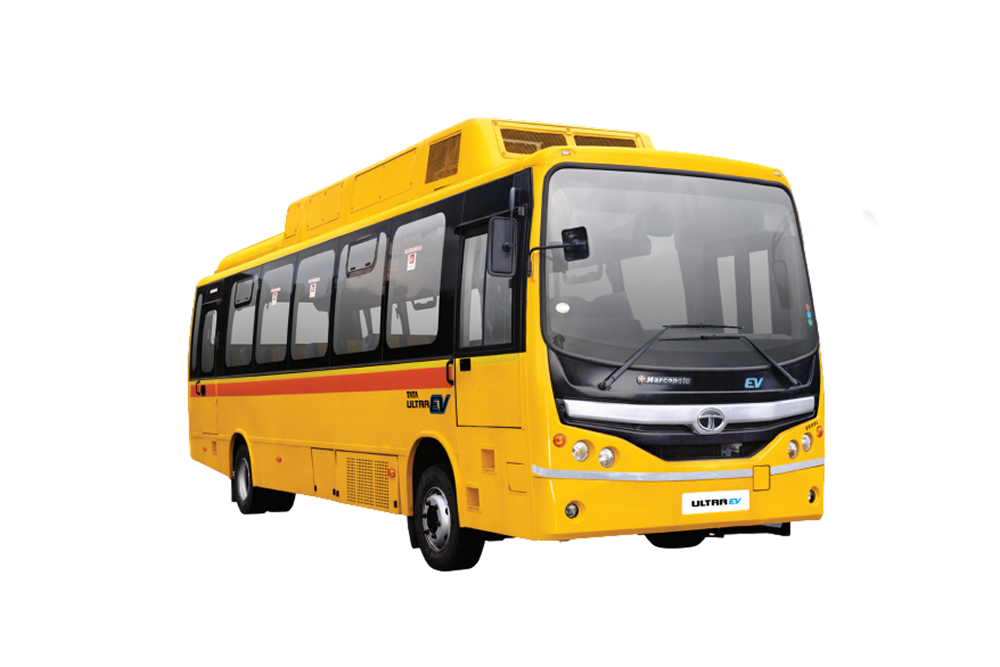
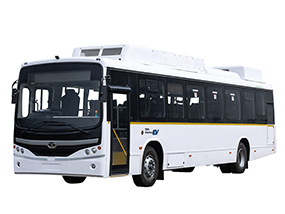
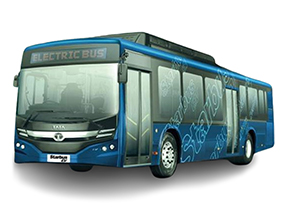
Electric buses promise cleaner, quieter and more efficient public transport - but without reliable, dedicated charging infrastructure, their potential remains untapped. Captive charging, embedded within bus depots and fleet hubs, guarantees control, efficiency and readiness, enabling fleets to operate smoothly around the clock.
Insights from India's EV Charging Framework
India’s Handbook for EV Charging Infrastructure Implementation, published by NITI Aayog, lays out a structured roadmap for charging network rollout - from assessing demand to planning locations, securing electricity supply, and integrating with the power grid. It underscores how heavy-duty operations like e-bus depots demand high-capacity infrastructure - potentially upwards of 10 MW for a 100-bus facility - and emphasizes the critical role of smart charging to manage loads effectively.
Overcoming Challenges with Strategic Planning
Nationwide, the lack of public charging - especially for private fleet operators - poses a major hurdle. High land costs and spotty grid infrastructure can make standalone chargers economically and operationally unviable. Shared infrastructure models, subsidies under the PM E-Drive scheme, and innovative frameworks like DBOT (design-build-operate-transfer) and Battery-as-a-Service (BaaS) offer viable pathways forward.
Visionary Solutions for Commercial Fleets
Leaders across the energy and mobility sectors highlight the future of captive charging as foundational to EV adoption. Efforts from Tata Power and e-mobility platforms outline how integrating localized charging hubs, fleet energy management, digital telemetry and renewable sourcing can sustainably power commercial EV fleets.
Global Best Practices Informing Indian Strategy
Internationally, the emphasis is clear: replacing a diesel bus with an e-bus works only if charging and grid readiness are planned first. City-level fleet electrification succeeds when charging deployment anticipates demand - not vice versa. This mindset informs robust captive charging strategies that prioritize infrastructure ahead of electrification targets.
Tata Motors’ Strategic Role in E-Mobility Operations
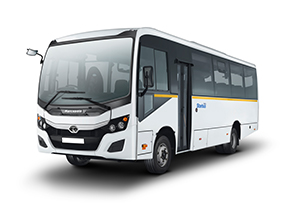
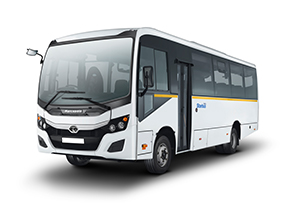
Within Tata Motors’ ecosystem - especially through its TML Smart City Mobility Solutions Ltd - captive charging is fundamental. By embedding charging infrastructure into depot layouts and digital operations, Tata ensures maximum uptime, efficient route logic and fleet readiness.
Smart Charging: Balancing Load, Cost and Performance
Captive depots can leverage smart charging to significantly flatten grid demand peaks, align charging with off-peak tariffs, and optimize energy use. The NITI Aayog handbook stresses that high-utilization fleets are well-suited for managed charging frameworks, enhancing both grid stability and operational economics.
Blueprint for Infrastructure Deployment
Here’s a step-by-step roadmap for building captive charging infrastructure:
| Phase | Action |
| Planning & Demand Assessment | Estimate fleet energy needs, power draw, and load profiles based on fleet size. |
| Depot Design & Siting | Allocate space for charging bays, maintenance facilities, and grid access—ensuring flexibility. |
| Power Supply Integration | Collaborate with DISCOMs, incorporate smart meters, renewables, and backup systems. |
| Equipment & Technology | Choose AC and DC fast chargers—e.g., 50–500 kW range for buses—and integrate charge management software. |
| Grid & Policy Alignment | Leverage standards like Bharat AC/DC and state-level incentives; ensure compliance with building codes and electrical norms. |
| Operational Integration | Deploy real-time energy management platforms to schedule optimal charging, minimize downtime, and monitor performance. |
Captive charging infrastructure is not just an enabler - it’s the engine of electrified mobility. By combining thoughtful planning, smart energy integration and stakeholder collaboration, Tata Motors can ensure its electric bus fleets are reliable, scalable and truly sustainable. This integrated approach brings us closer to urban transportation systems powered by green, efficient and cost-effective green vehicles.