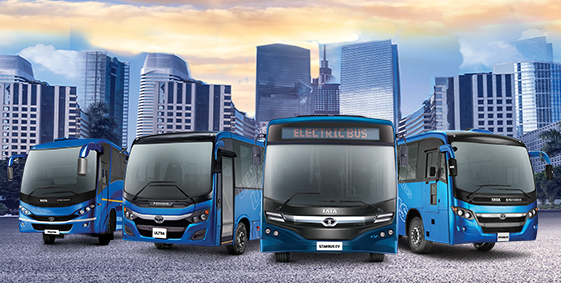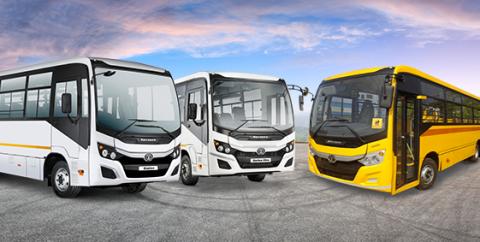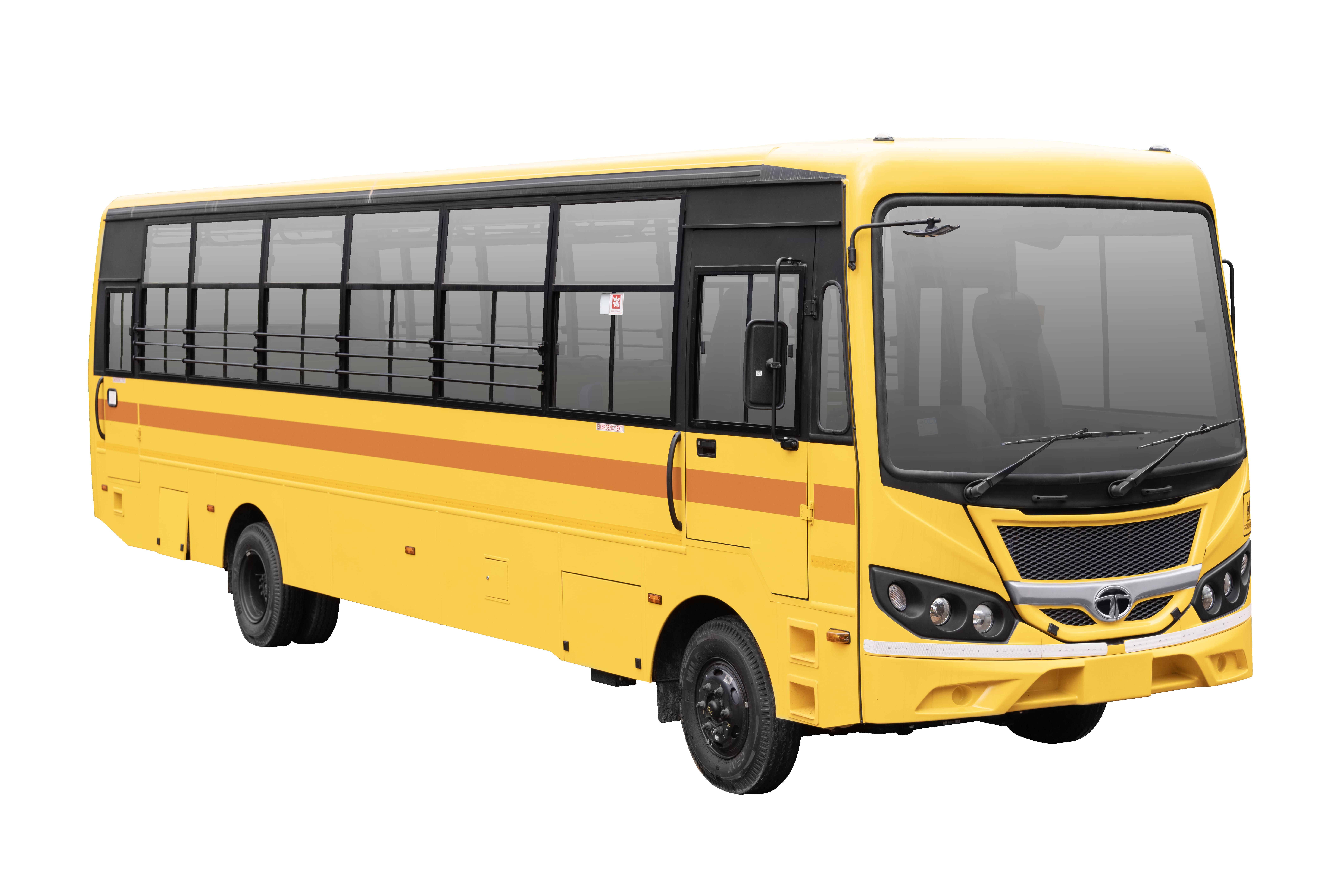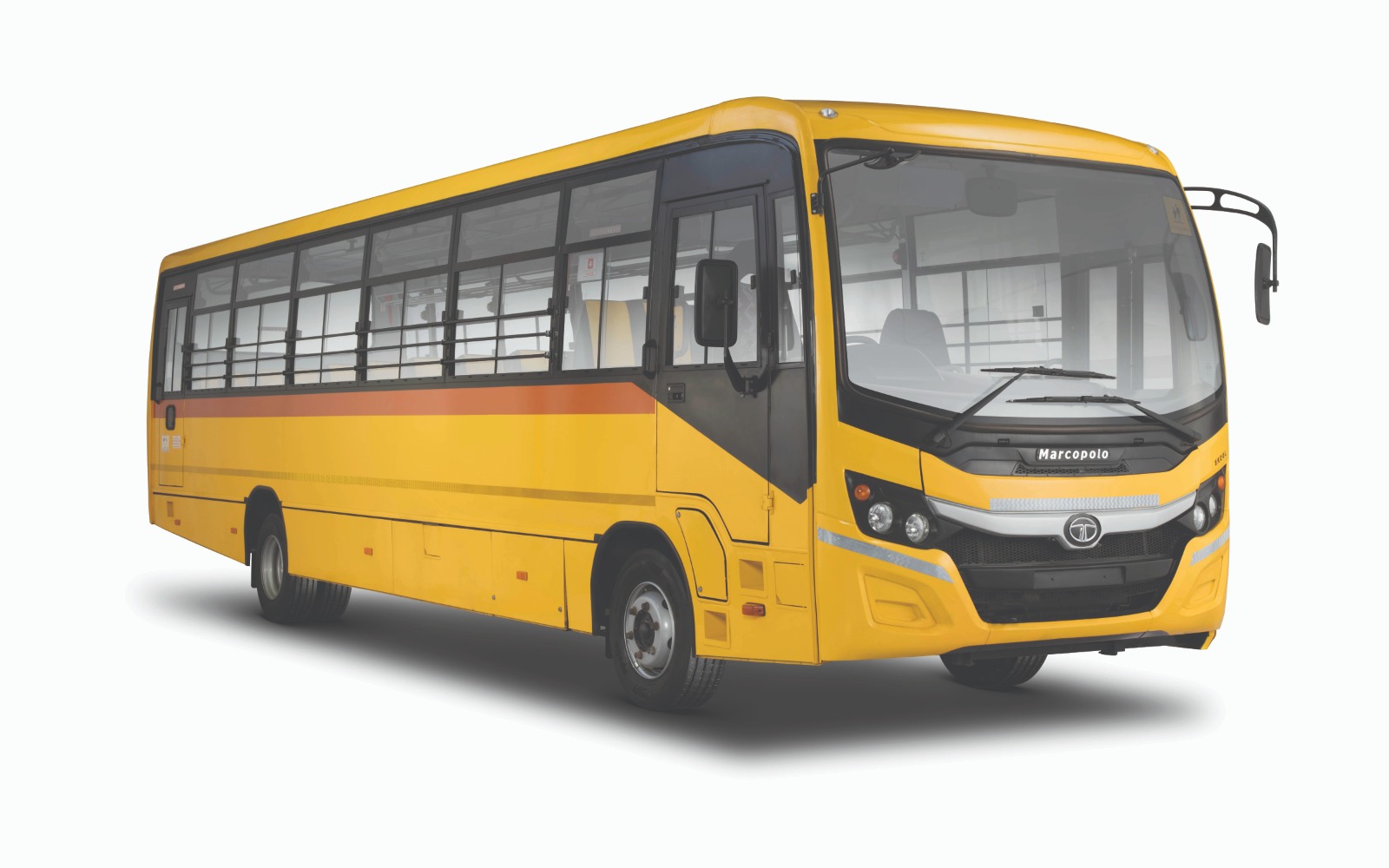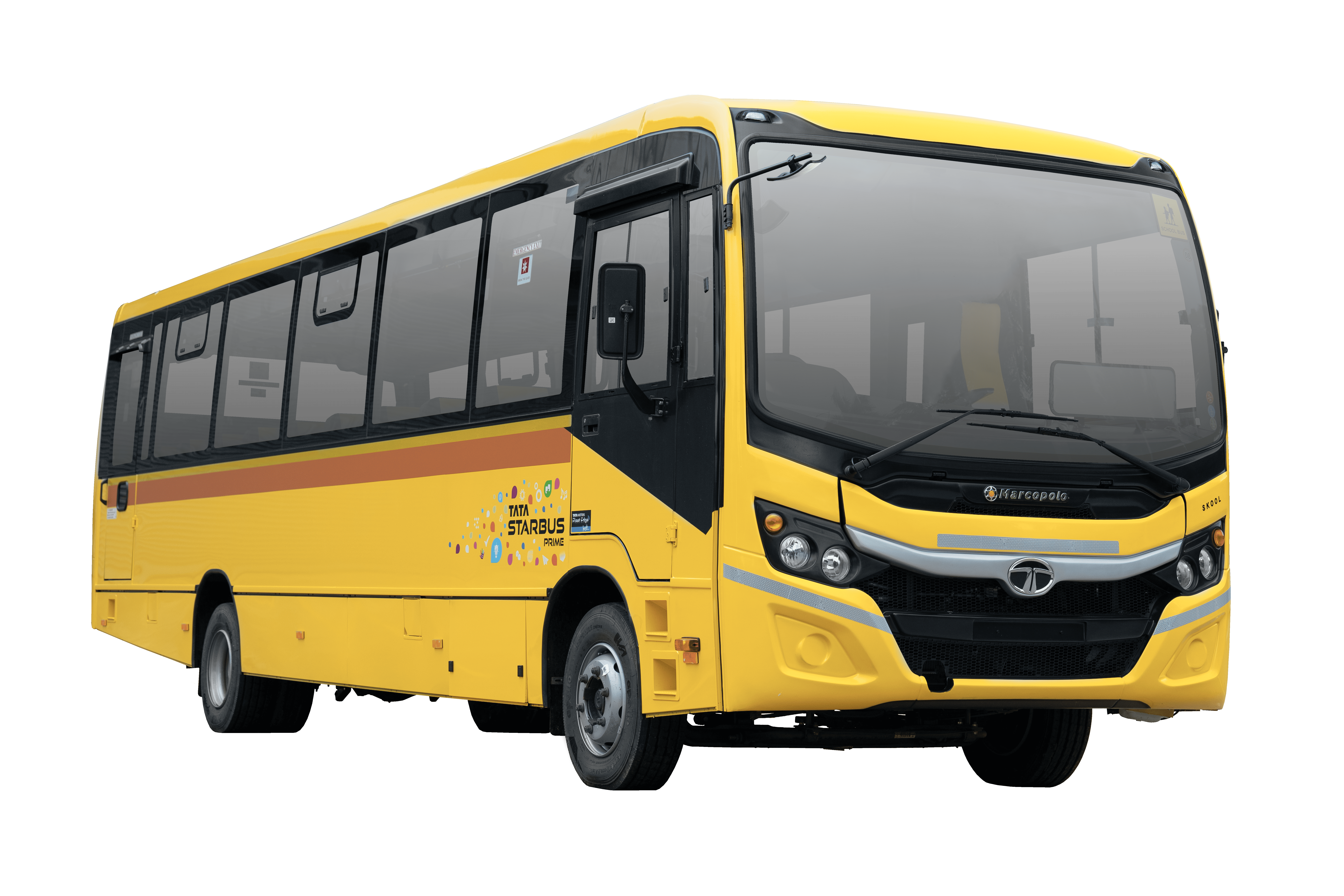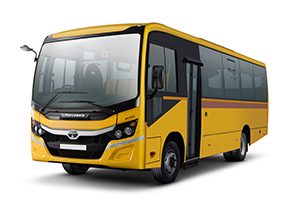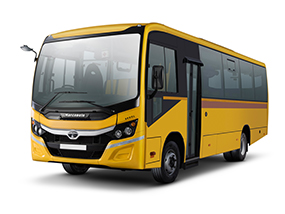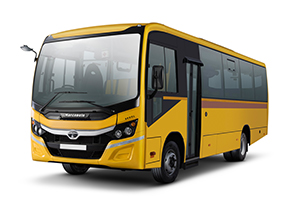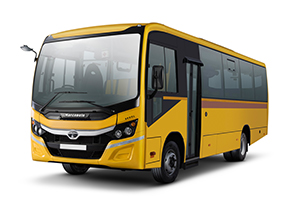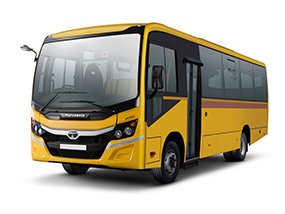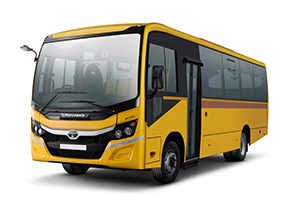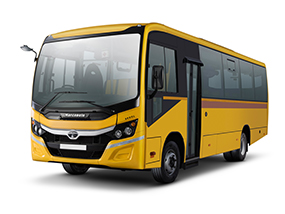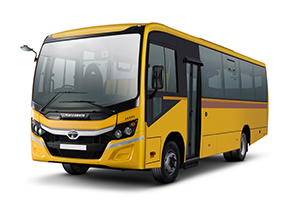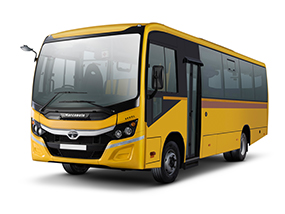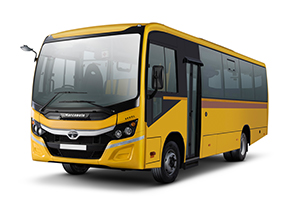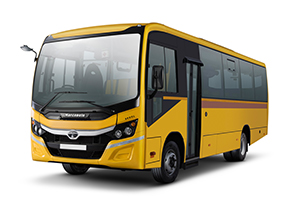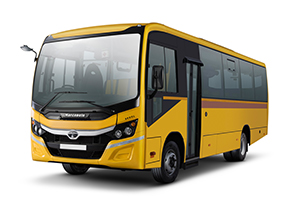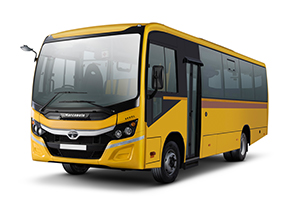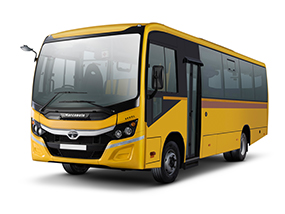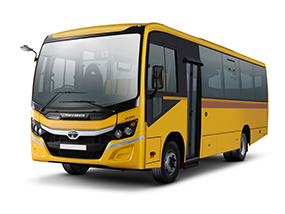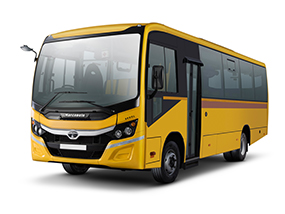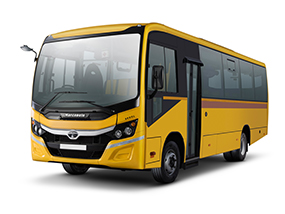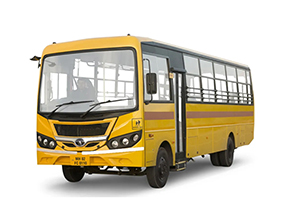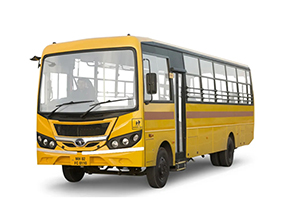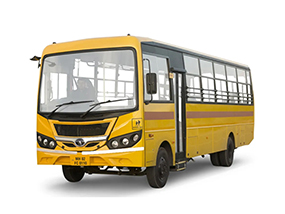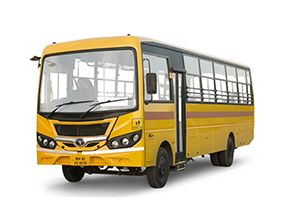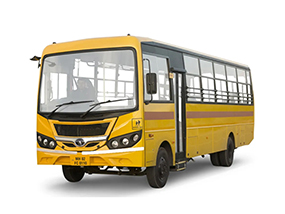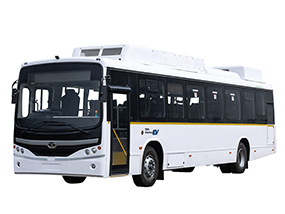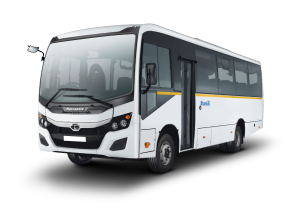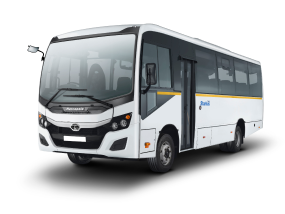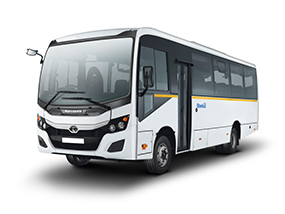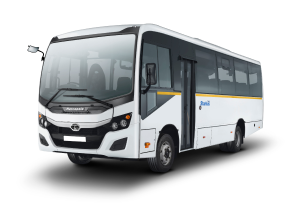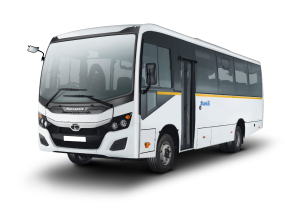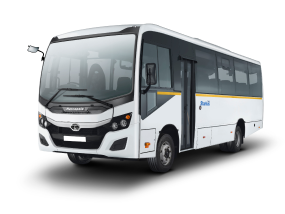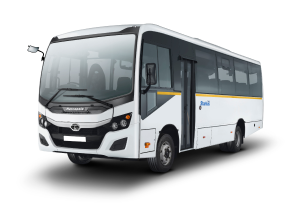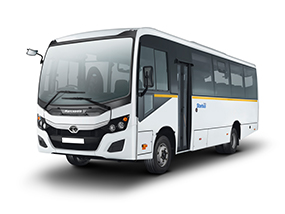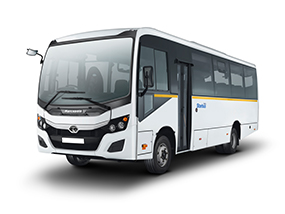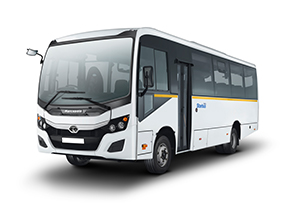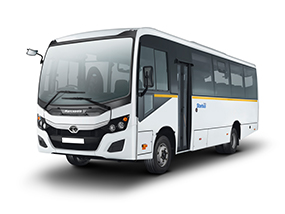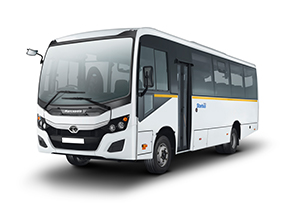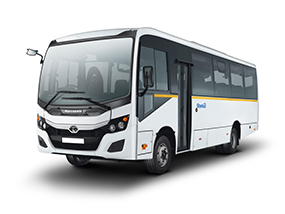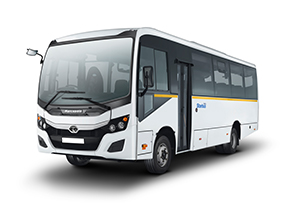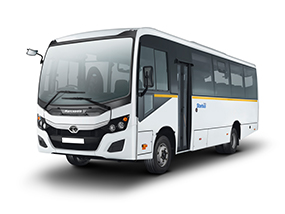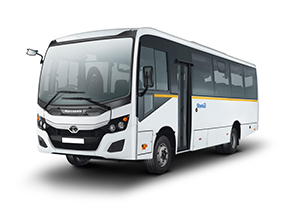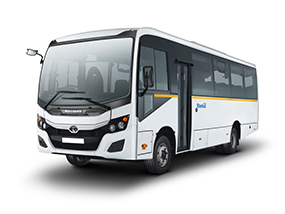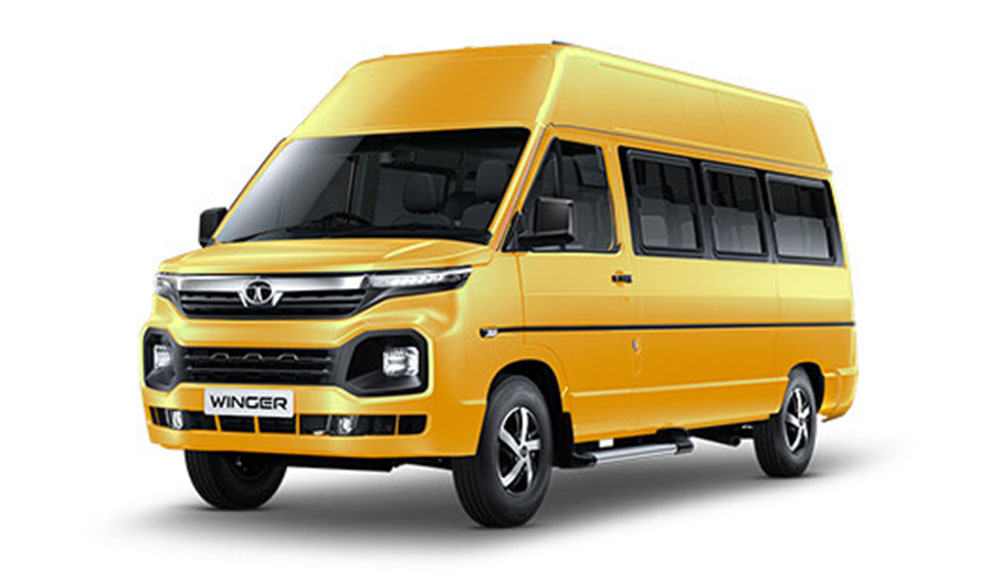
Tata Motors is revolutionizing workforce commute with its innovative e-bus based staff transportation, setting a benchmark for sustainable and efficient mobility.
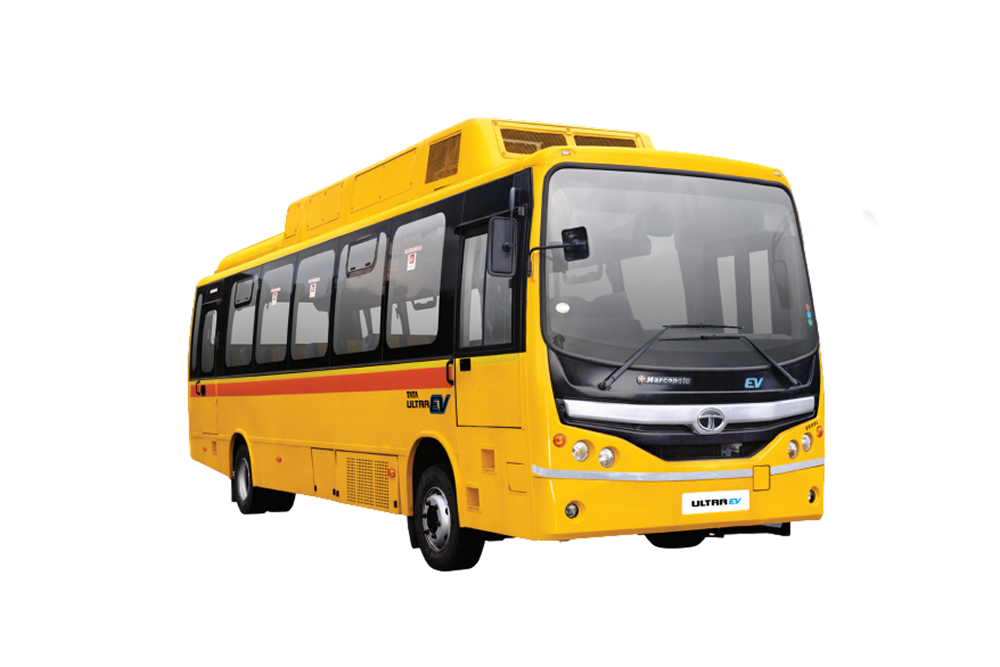
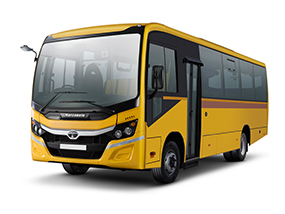
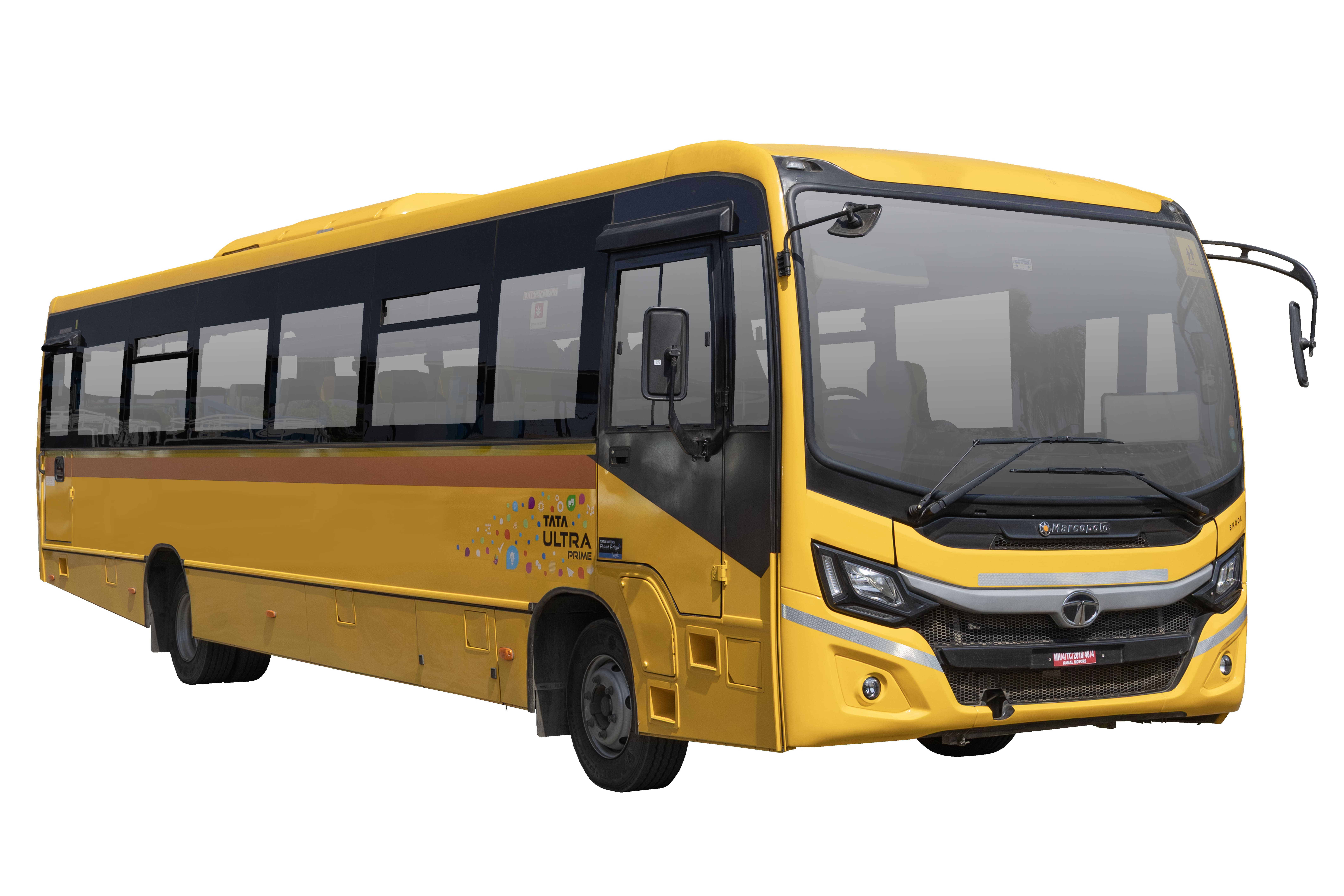
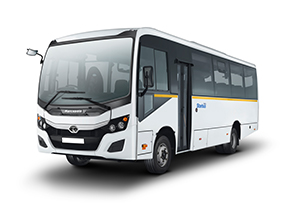
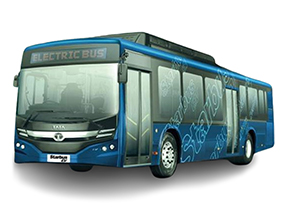
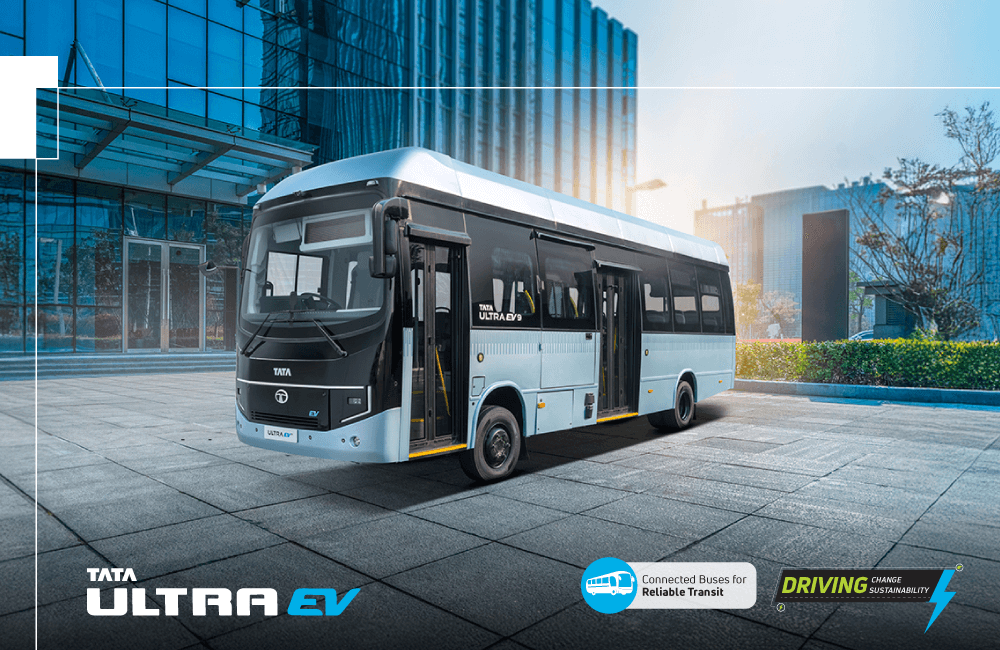
At its Pantnagar plant in Uttarakhand, Tata Motors has launched a dedicated fleet of Tata Ultra 9 m electric buses to ferry employees, marking a major milestone in sustainable corporate mobility. These indigenously developed, zero-emission e-buses promise comfort, safety, and convenience for over 5,000 staff members per day.
Eco-Friendly Operations Powered by Solar Energy
True to its commitment to carbon neutrality, the e-bus fleet is charged entirely using electricity from a 16 MW solar power plant. This initiative is expected to save around 1,100 tonnes of CO₂ emissions annually, underscoring Tata Motors’ holistic approach toward green operations.
Bolstering the Carbon-Neutrality Vision by 2045
According to Mr. Vishal Badshah, Vice President and Head - Operations, Tata Motors Commercial Vehicles, this e-bus rollout is a pivotal step toward achieving net-zero greenhouse gas emissions by 2045. He highlighted that Pantnagar - already a certified Zero Waste to Landfill and water-positive plant - is now further elevating its sustainability credentials with this zero-emission fleet.
Scalability and Reliability of Tata’s E-Bus Fleet
This staff transportation model builds upon Tata Motors’ broader success in electric mass mobility. The company has already deployed over 3,100 electric buses across 10 Indian cities, collectively covering millions of kilometers with over 95% uptime - demonstrating the reliability, efficiency, and scalability of its e-bus technology.
Why E-Bus Staff Transport Makes Sense for Corporate Sustainability
- Reduced Carbon Footprint: Corporate e-bus services significantly lower emissions compared to conventional transport.
- Enhanced Employee Experience: Staff enjoy a comfortable, modern commute with advanced features and connectivity.
- Technology-Driven Assurance: Regenerative braking and Intelligent Transport Systems ensure smooth, safe, and efficient operations.
- Operational Efficiency: Electric drive systems translate to lower fuel and maintenance costs, especially when integrated with renewable energy sources.
E-Buses - a Template for Broader Sustainable Mobility
In its broader thought leadership, Tata Motors underscores how e-buses can reshape India’s public and private mobility landscapes. They reduce air pollution, improve environmental health, and bring convenience through digital platforms and real-time tracking. The same principles apply to corporate transport—enhancing safety, comfort, and convenience while amplifying sustainability.
Tata Motors’ E-bus based staff transportation initiative at Pantnagar exemplifies the future of sustainable corporate mobility. By pairing innovative e-bus technology with renewable energy and digital fleet systems, the company not only delivers an eco-friendly and comfortable commute but also scales its sustainability commitments enterprise-wide. This model stands as a replicable blueprint for other industrial hubs seeking cleaner, smarter and more reliable employee transportation.